
London's Leading Robotic Prostate Surgery Clinic
Conducting nearly 200 operations per year, Santis is one of the highest volume prostatectomy practices in the UK.
Featured by



Over 4,000 keyhole surgical radical prostatectomies performed by a pioneering surgeon, Professor Christopher Eden.
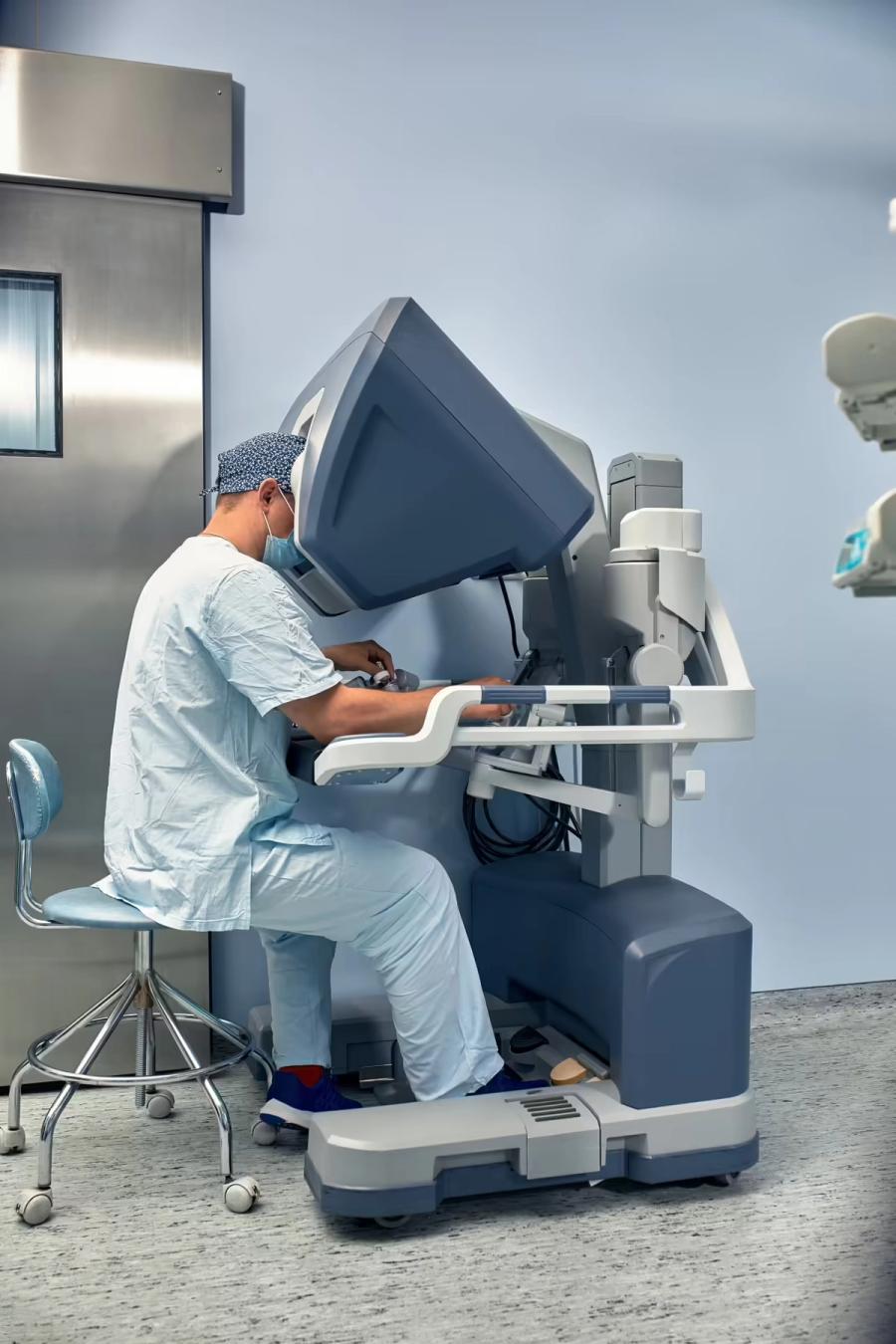
Our services from diagnosis to recovery
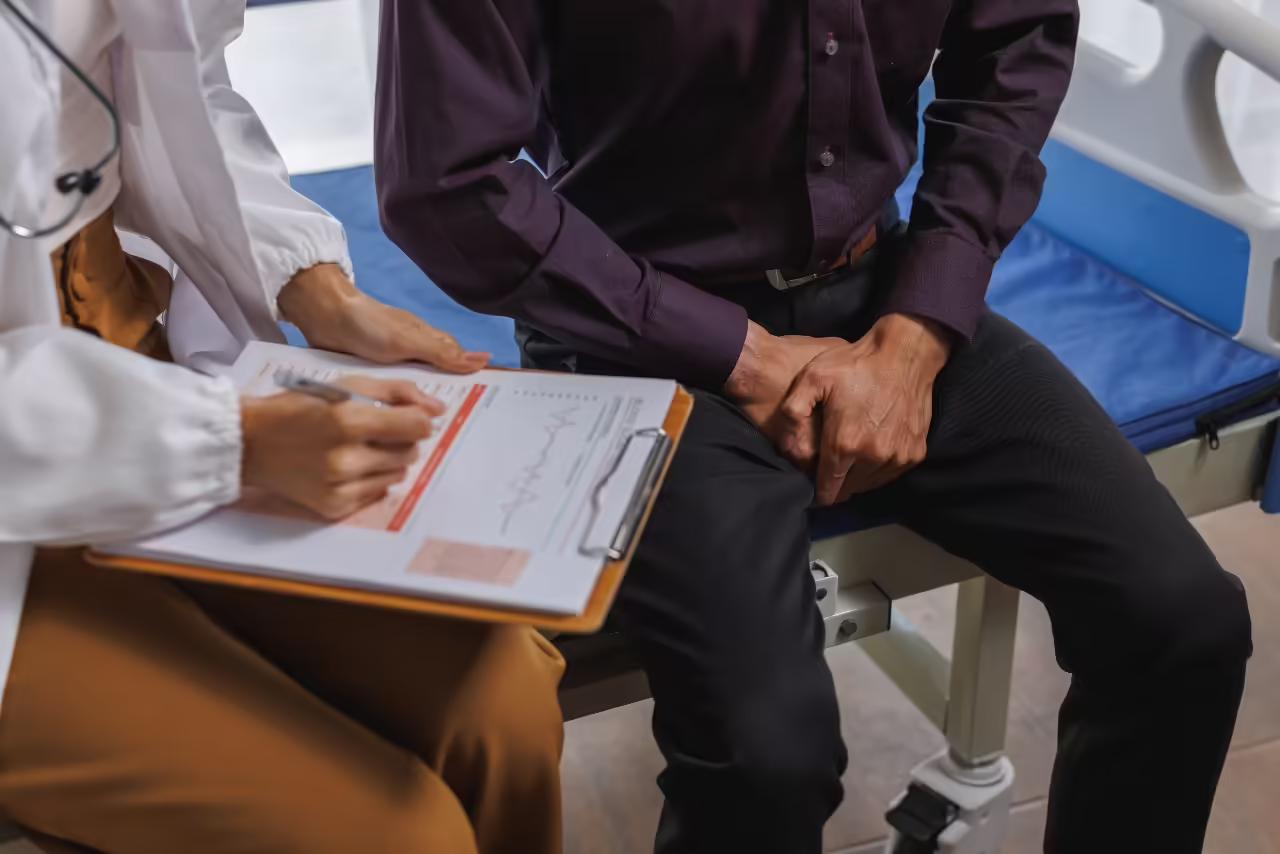
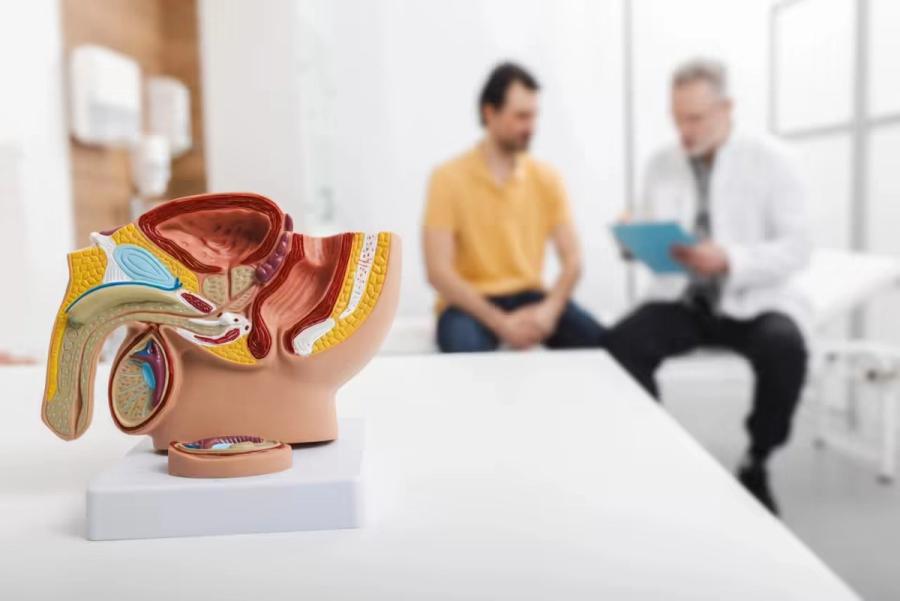
Prostate Cancer Screening
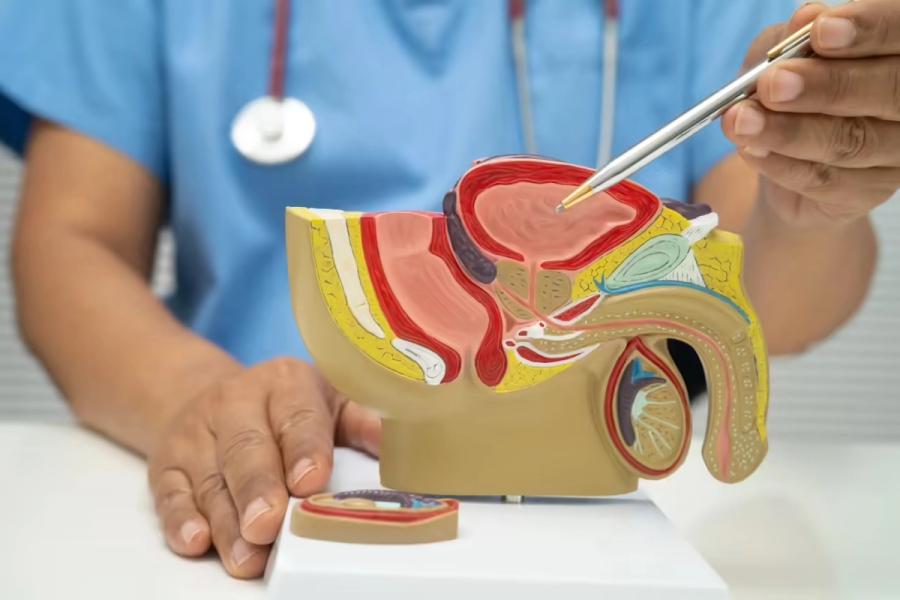
An MRI-first pathway: PSA and Stockholm-3 testing, high-resolution prostate MRI and targeted biopsy, led by specialist prostate consultants with rapid turnaround.
Learn more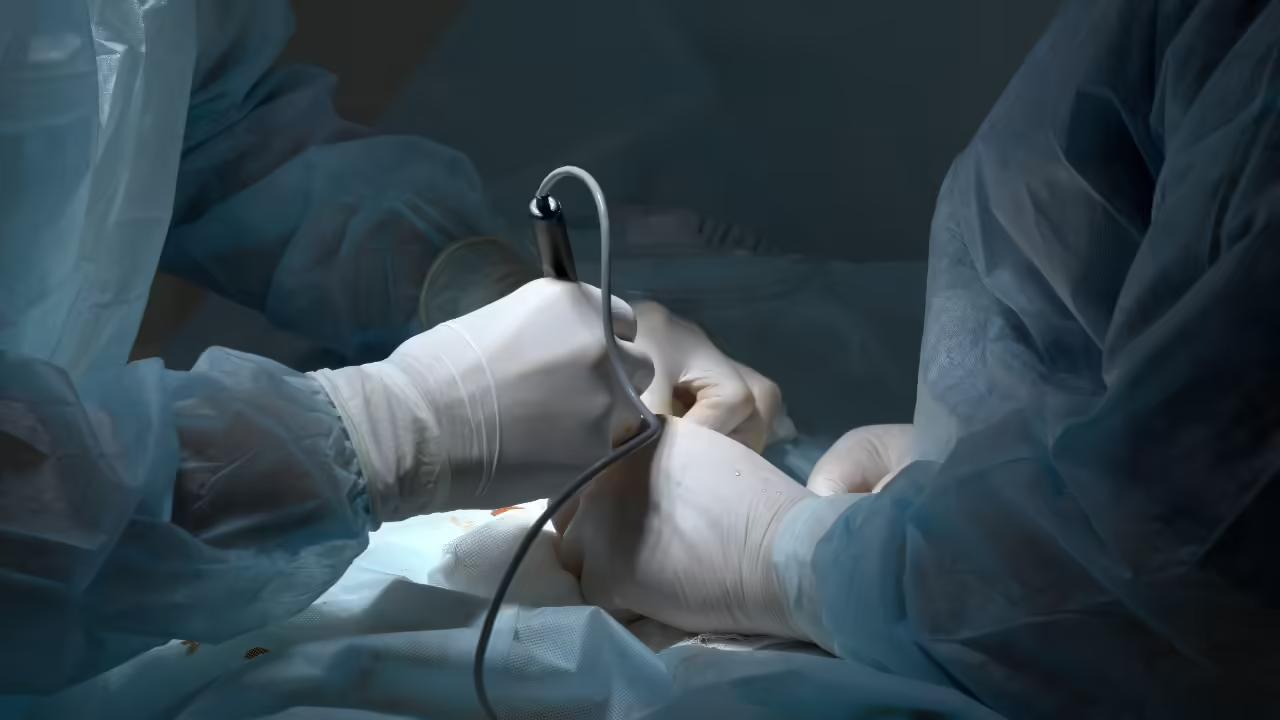
Prostate Cancer Surgery
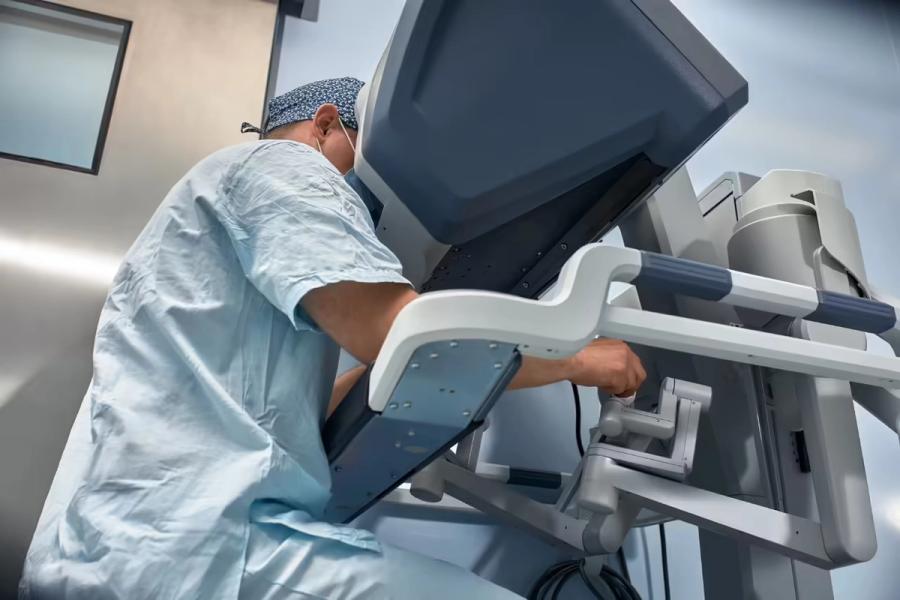
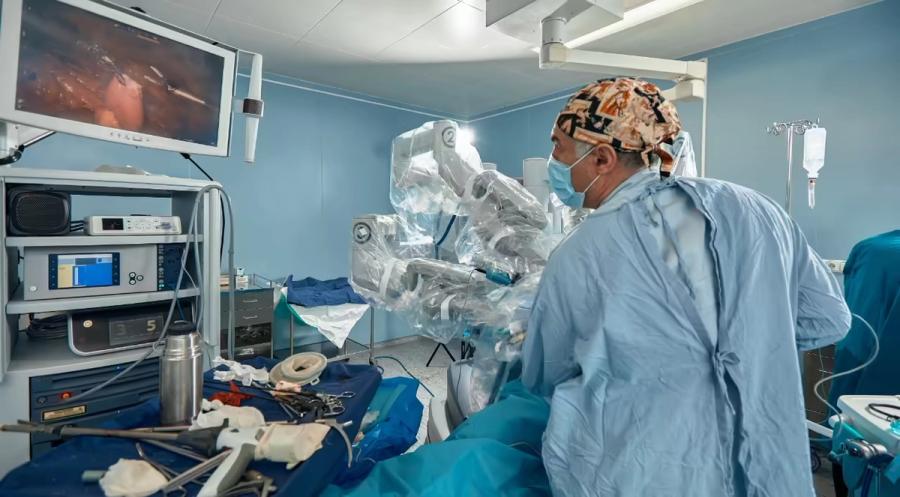
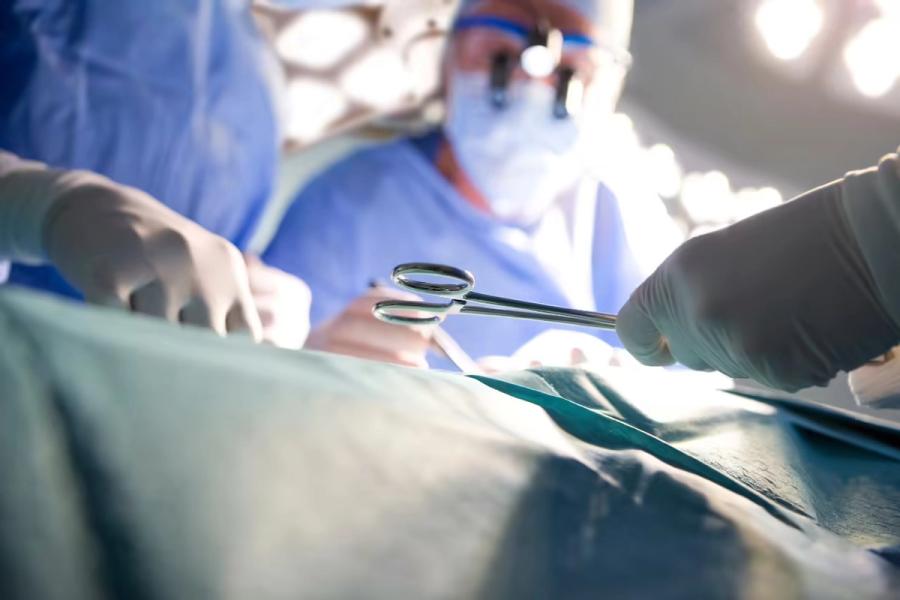
Consultant-led surgery combining the Retzius-sparing approach, the da Vinci Single Port robot and intra-operative NeuroSAFE pathology, performed personally by Professor Eden.
Learn more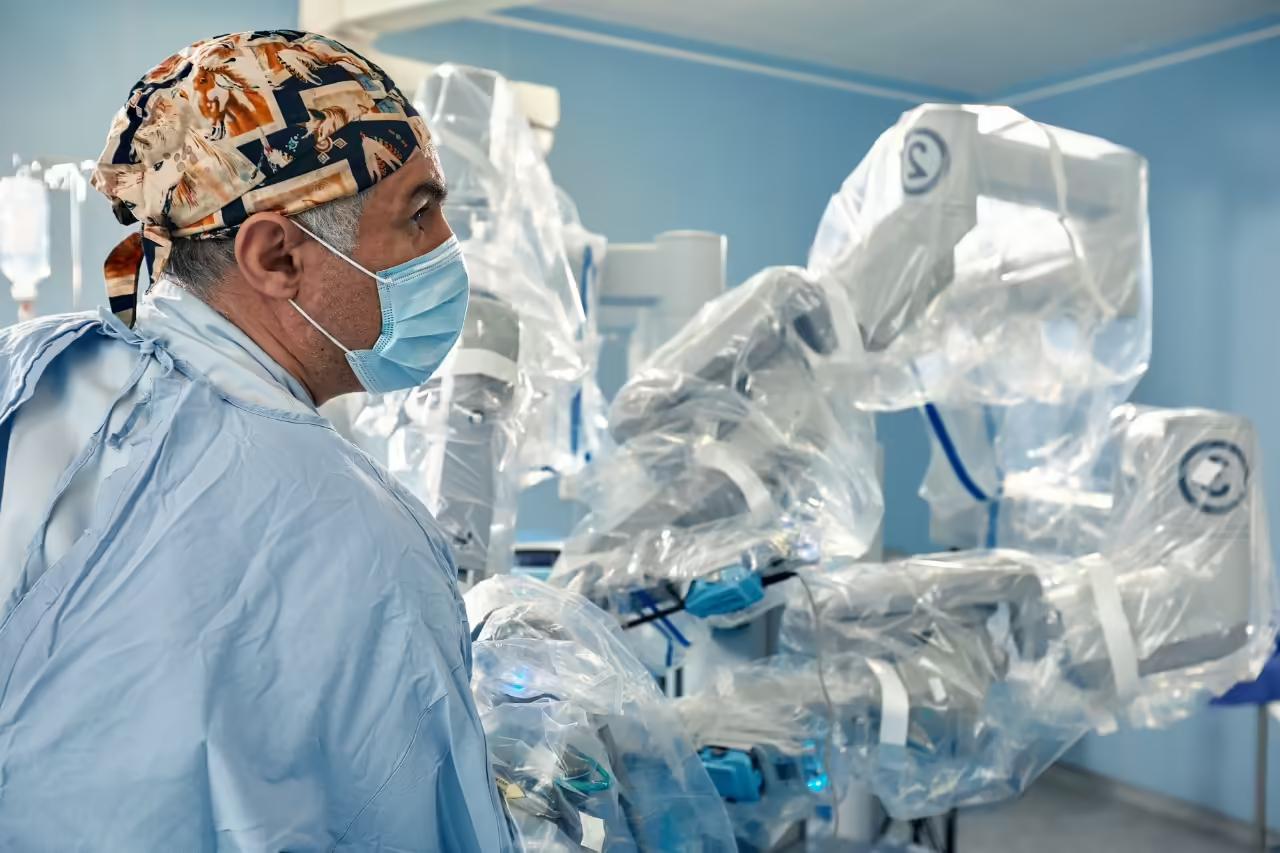
Robotic Prostatectomy
The UK’s first Retzius-sparing robotic prostatectomy, carried out through a single 4 cm incision with margins checked by a Consultant Pathologist during the operation.
Learn more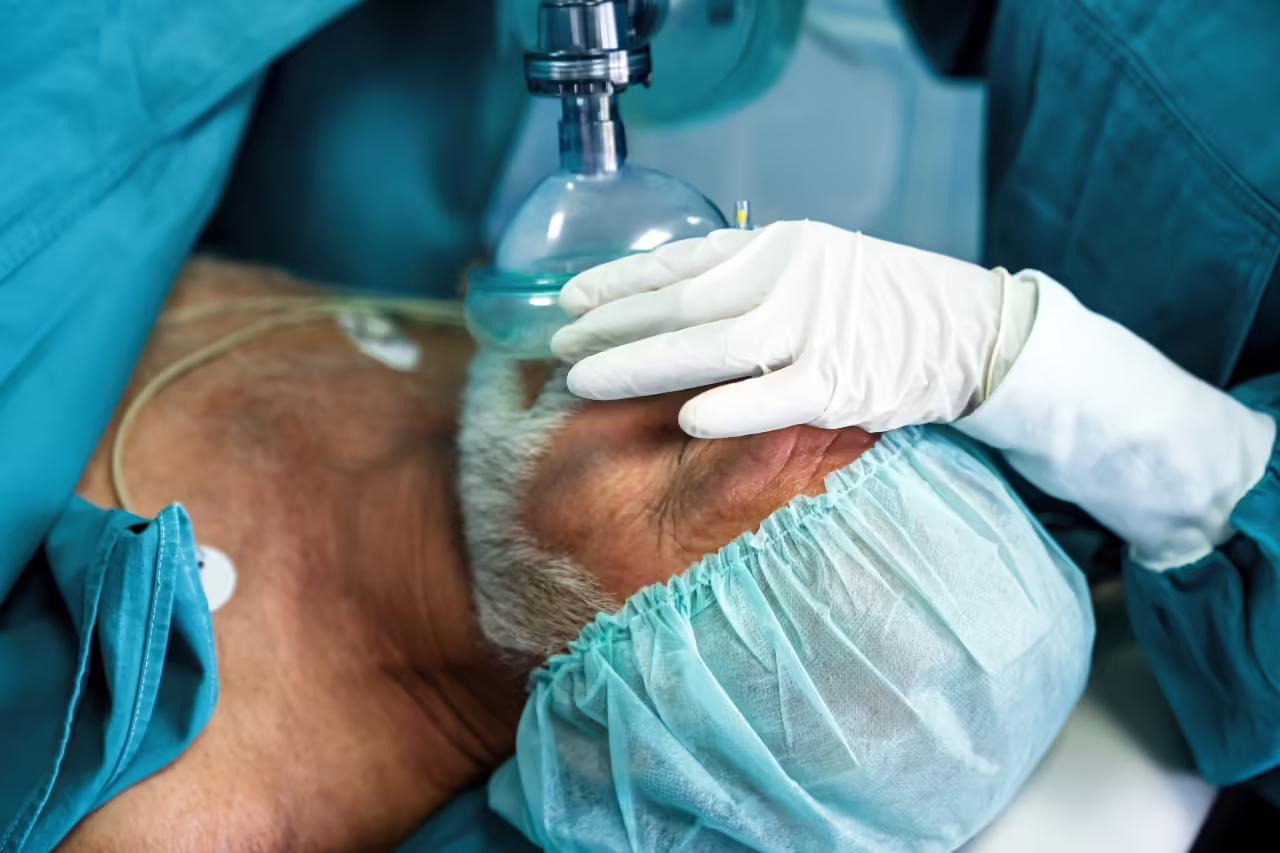
Nerve Sparing Prostatectomy
Nerve preservation guided by real-time NeuroSAFE pathology, so nerve tissue is spared where margins are clear and cancer removal is never traded off blindly.
Learn more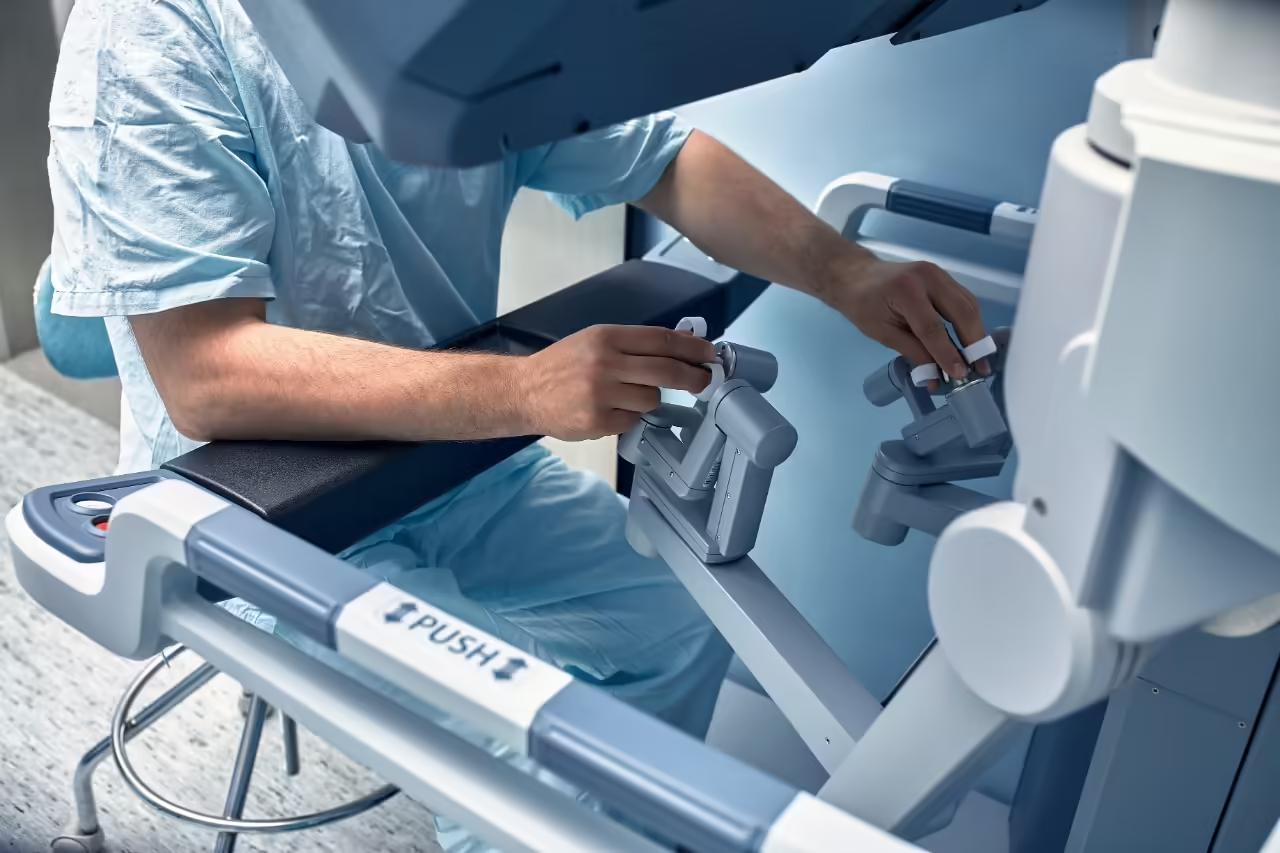
The da Vinci Single Port Robot
Among the first centres in Europe to adopt the Single Port platform, with all instruments through one small incision, reducing the trauma of access.
Learn more
Prostate cancer treatment built around three advances
Prostate cancer is the most commonly diagnosed cancer in men in the UK. When it is found while still contained within the prostate, the outlook is generally very good and effective treatment is available.
Professor Christopher Eden is the only UK Urologist who, having pioneered keyhole prostate cancer surgery in the UK in 2000, routinely uses the Retzius-sparing approach for robotic prostatectomy, intra-operative pathology and the Single Port robot to maximise cancer and functional outcomes, as well as post-operative recovery.
About prostate cancer- Retzius-sparing robotic prostatectomySantis was the first centre in the UK to perform it. Dramatically improves continence recovery.
- The da Vinci Single Port robotA single small incision rather than five or six separate ports. Ideal for an extraperitoneal approach after prior abdominal surgery.
- Intra-operative NeuroSAFE pathologyTissue examined by a Consultant Pathologist during the operation. Maximises cancer control and potency recovery.

Two consulting locations London and Surrey
Excellence is never an accident. It is always the result of high intention, sincere effort, intelligent direction, skilful execution and the vision to see obstacles as opportunities.
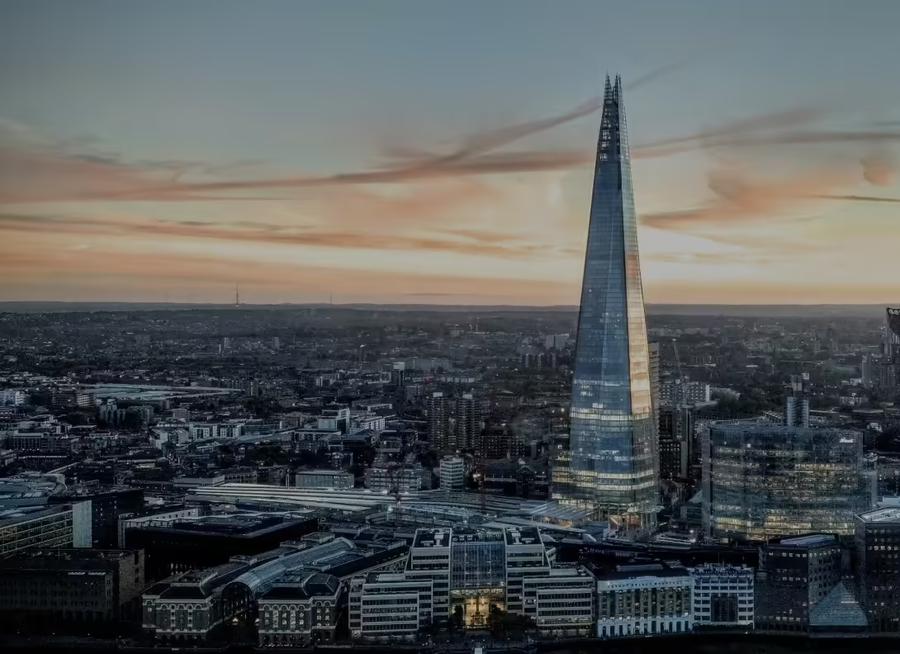
HCA Outpatients The Shard
32 St Thomas Street, London Bridge
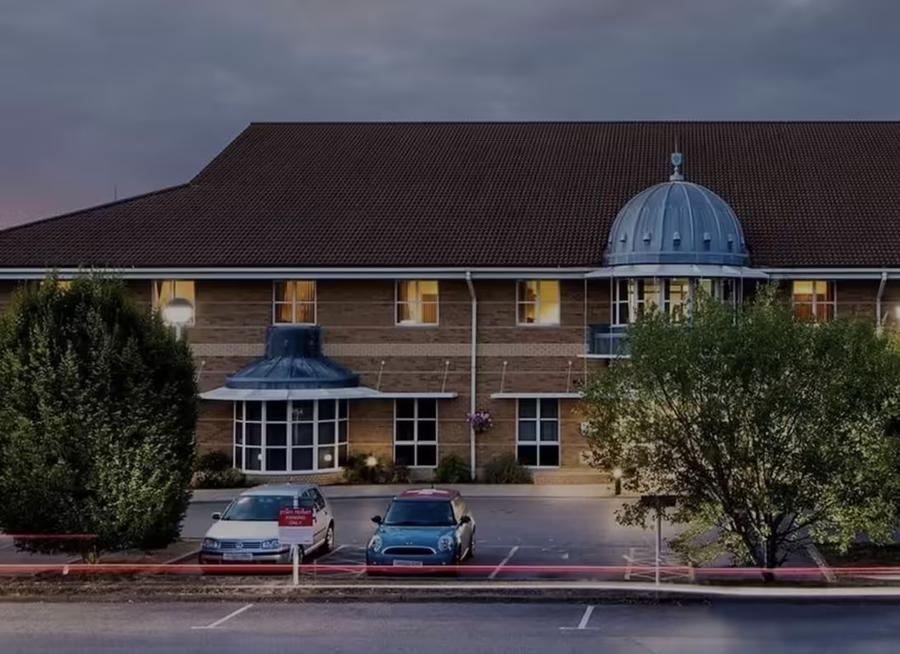
London, SE1 9BSNuffield Health Guildford
Stirling Road
Guildford, GU2 7RF
What to expect from consultation to recovery
 consultation to recovery
Initial consultation
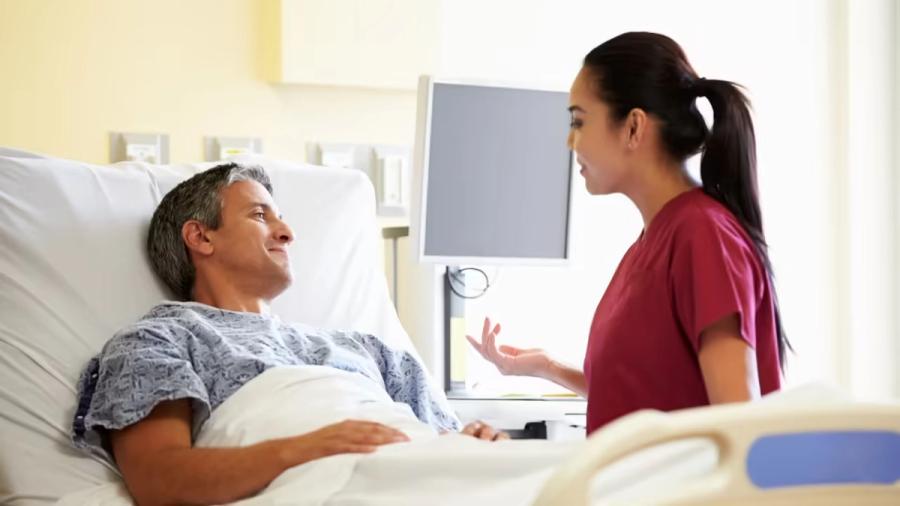
A 30-minute appointment to go through your results and treatment options. Where tests have not been done yet, these may include a PSA blood test, an examination, an MRI scan and a biopsy.
The day of your operation
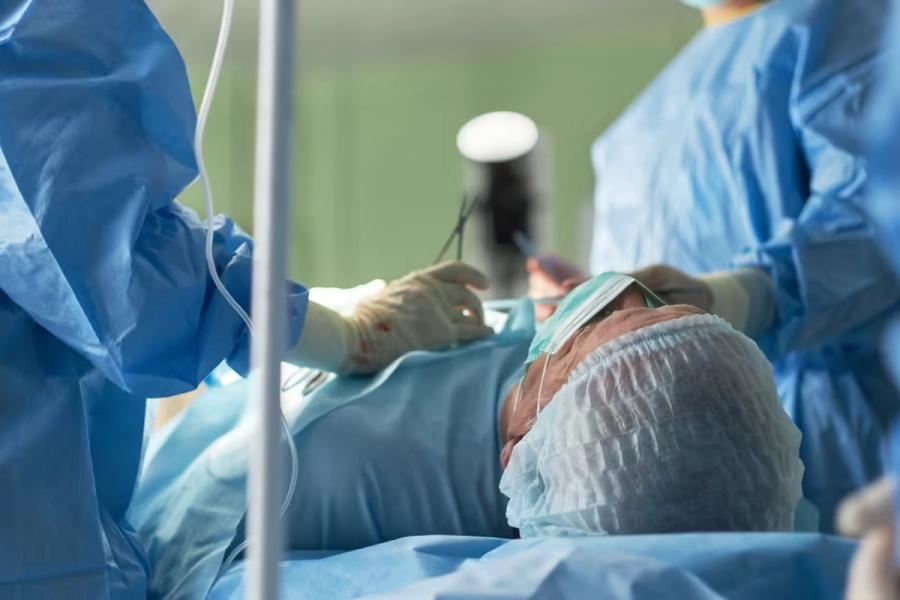
You are admitted after fasting and meet Professor Eden and the anaesthetist beforehand. The procedure takes around two hours under general anaesthetic.
In hospital
You wake in recovery with drips and a catheter in place, and stay there at least an hour before returning to your room. Most patients spend 1–2 days in hospital.
Recovery and follow-up
The catheter is removed at two weeks and pathology results discussed at four. Check-ups run every three months through the first year, then every six months for two years.

Testimonials What our patients say
One surgical team, working together for fifteen years.
- 4,000+
- Keyhole surgery prostatectomies performed
- 28
- years of consultant practice
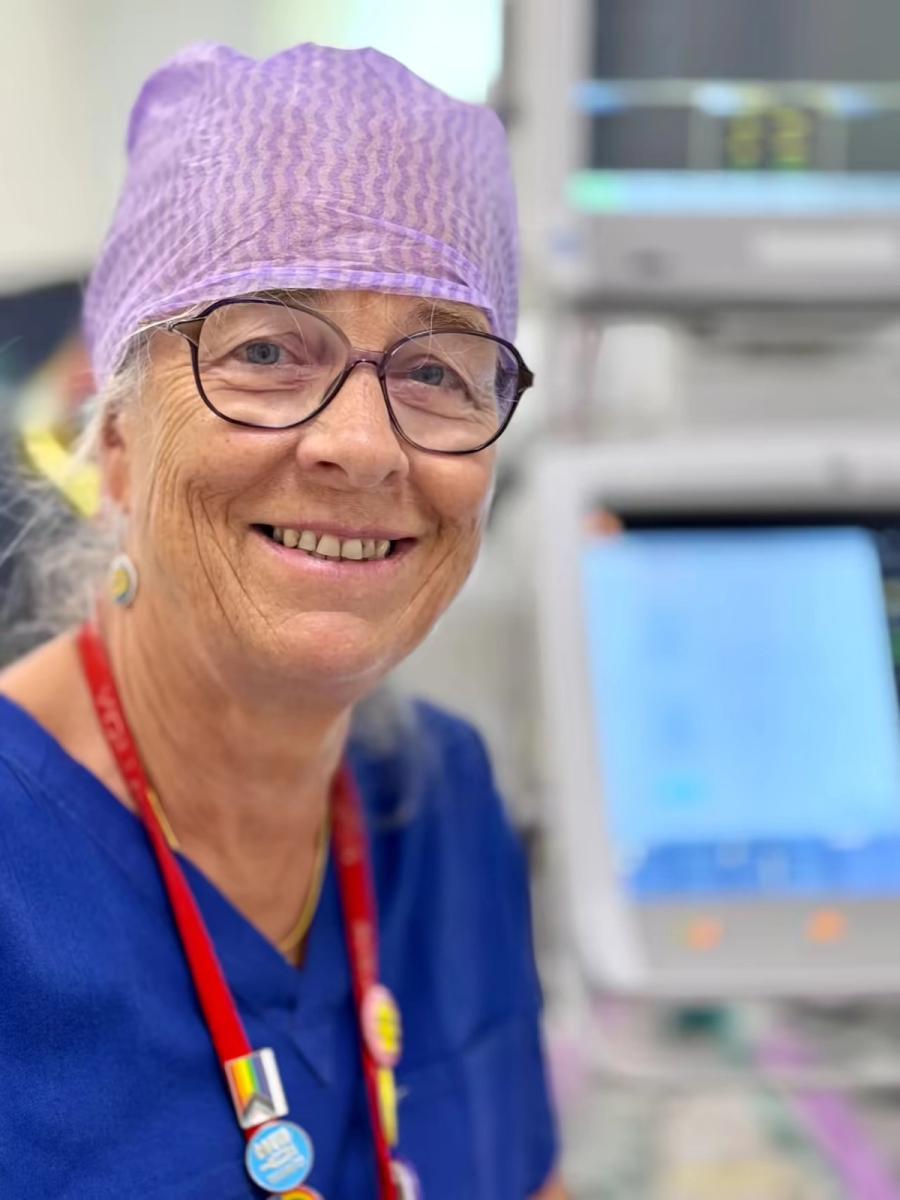
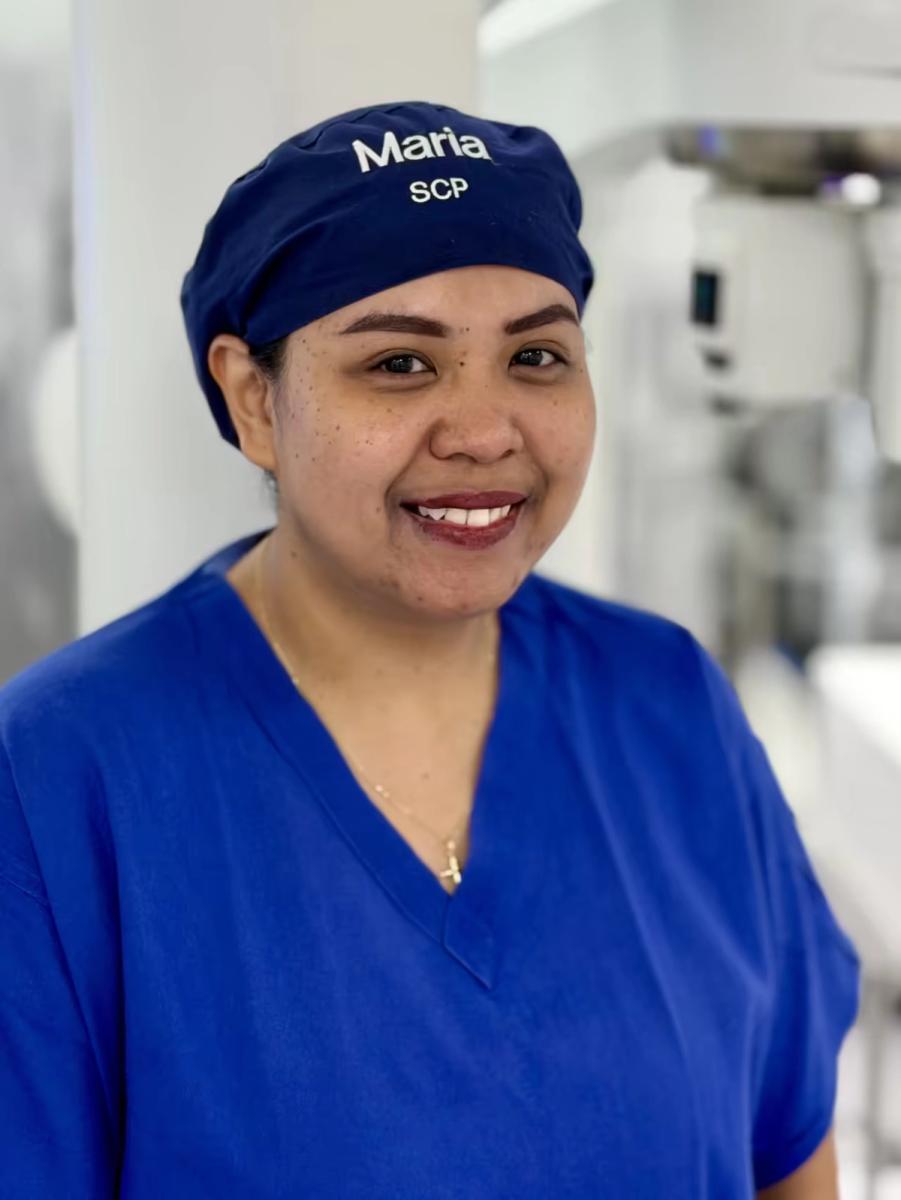
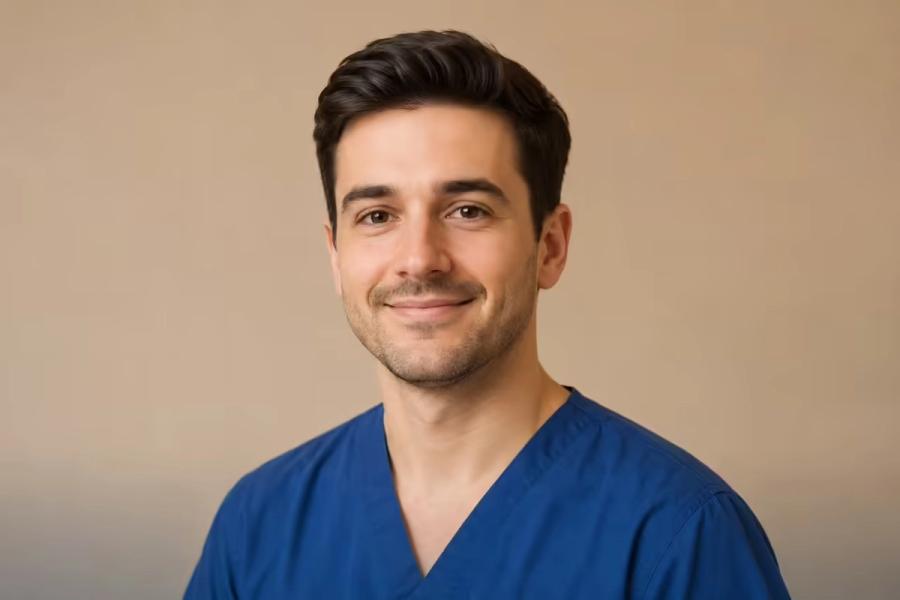
Your clinical team The people who will treat you
Meet the team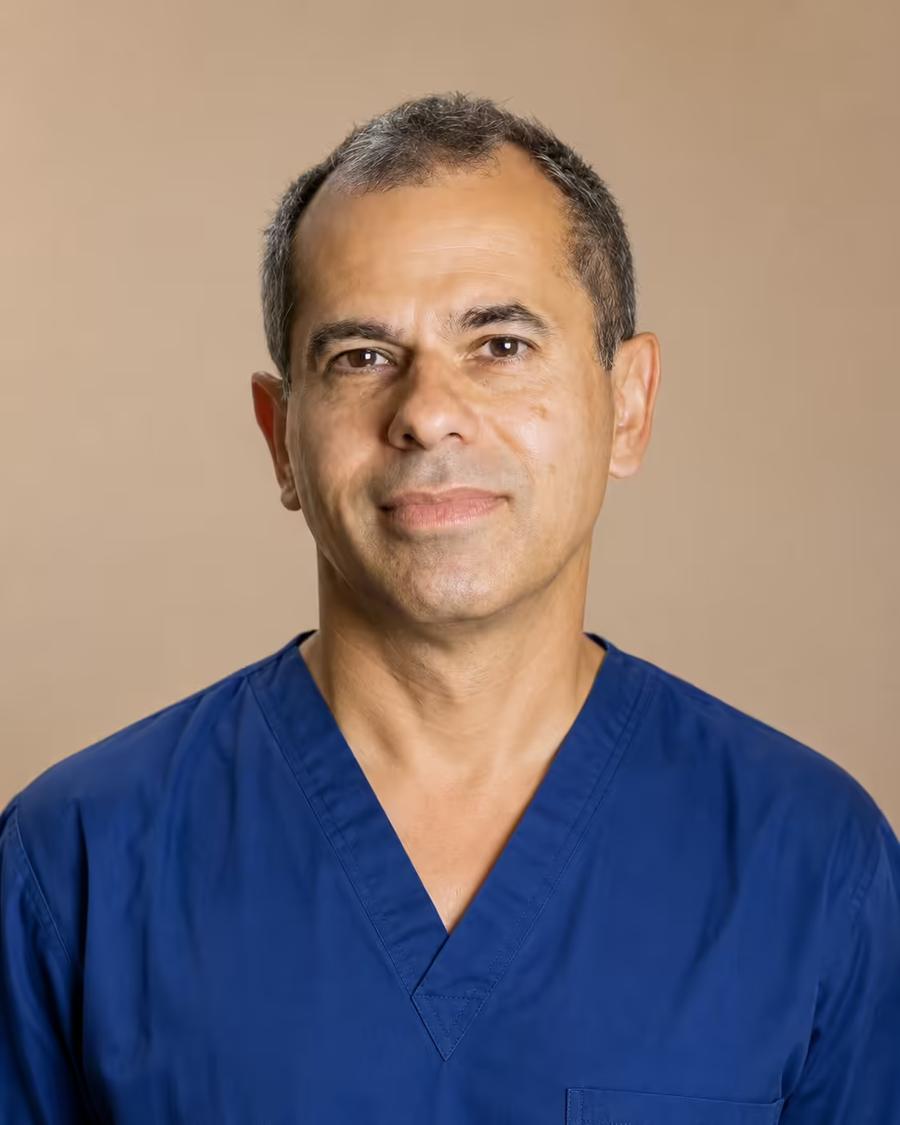
FAQs
Frequently asked questions The things men ask us first
Why not focal therapy?
Up to 80% of prostate cancers are multifocal (found in more than one location), which helps to explain why, in a UK series of 3,477 men treated with either HIFU or cryotherapy focal therapy, 34% of patients needed re-treatment and 46% of men with unfavourable Gleason 7 prostate cancer needed salvage (usually surgical) treatment (Light et al., 2026). In a meta-analysis of 56 focal therapy studies by Tay et al. (2024), 38% of patients treated this way needed to wear a pad following treatment (2.3% after Santis surgery) and 54% had moderate to severe erectile dysfunction (21.9% after Santis surgery).
How often should men get prostate checks in the UK?
Men over 50 should have an annual check. Those at higher risk, for example with a family history, should generally start at around 40.
What is the best scan for prostate cancer?
MRI is considered the gold standard for diagnosing and staging prostate cancer.
Does an enlarged prostate mean cancer?
No. Benign prostatic hyperplasia is a separate condition from prostate cancer, although the two can occur together.
Is prostate cancer hereditary?
Yes. Men with a family history of prostate cancer are at higher risk, particularly where close relatives have been affected.
What are the latest prostate cancer treatments?
These include robotic-assisted surgery, advanced radiation therapy, and focal therapy that targets cancerous areas while preserving healthy tissue.
How often does prostate cancer return after surgery?
Around 5% of patients experience recurrence within 10 years of surgery.
Still have a question?
Read the full set of frequently asked questions, or speak to the team directly about your own diagnosis.