



Table 1. Outcome comparison drawn from NICE NG131 evidence and national registry data.
When is radical prostatectomy preferred over radiotherapy?
Although both treatments control cancer effectively, your multidisciplinary team may lean towards radical prostatectomy vs radiotherapy when:
- Younger age & good general health – Surgery removes the gland outright, delivering an undetectable PSA and leaving radiotherapy available should recurrence occur decades later.
- Desire for definitive pathology – Examining the removed prostate yields a precise map of tumour grade and margin status, allowing truly tailored follow‑up.
- Avoiding radiation‑induced side‑effects – Men with inflammatory bowel disease or previous pelvic radiation often steer clear of further exposure.
- Higher‑risk pathology needing multimodal (combination) therapy – Surgery followed by selective postoperative radiotherapy can target residual cancer while sparing many men from pelvic radiation altogether.
Briefly put, surgery removes the cancerous prostate; radiotherapy damages it in place. In practice, surgery offers immediate removal, whereas radiotherapy relies on DNA damage and an immune response that unfolds over weeks.
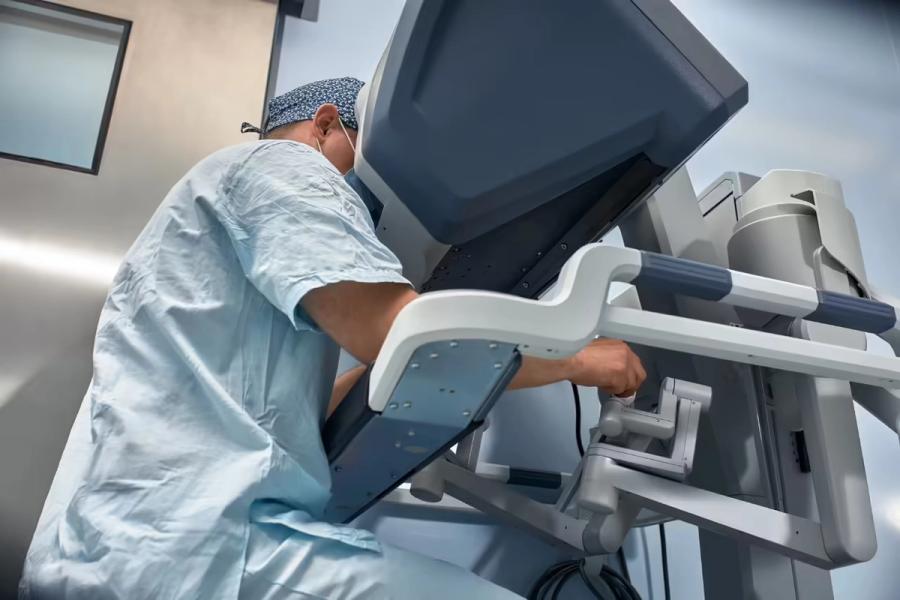
Santis Health’s dedicated focus on robotic prostatectomy translates into shorter operative times and refined nerve‑sparing techniques. Our consultants perform almost 200 procedures a year, well above national averages associated with better functional outcomes.
This depth of experience allows Santis to deliver consistently shorter operative times, advanced nerve-sparing, and tailored aftercare focused on recovery, function, and long-term confidence.
Choose the right path for you
Is radiotherapy better than surgery for prostate cancer? The honest answer is: it depends on your health, tumour characteristics, and personal priorities. For men diagnosed at an earlier stage, this guide explains how to weigh the best treatment options. Both boast cure rates above 95% at 10 years. Robotic prostatectomy offers immediate removal, ultra‑low PSA, and the option of salvage radiotherapy later, while modern radiotherapy provides a non‑invasive route with minimal downtime and excellent long‑term control.
If you are weighing radiotherapy vs surgery for prostate cancer, book a consultation with Santis Health – the UK’s specialist centre for robotic prostatectomy. Our surgeons will guide you through personalised statistics, demonstrate advanced nerve‑sparing techniques, and support you at every step, including arranging a second opinion if desired.
Frequently Asked Questions
Is radiotherapy or surgery better for prostate cancer?
Both treatments are highly effective, with over 95% cure rates at 10 years. Surgery removes the prostate and delivers an undetectable PSA, while radiotherapy is non-invasive and avoids a hospital stay. The best option depends on your health, cancer stage, and personal preferences. A consultation can help determine the right path for you.
What are the side effects of radiotherapy for prostate cancer?
Common short-term side effects include fatigue and looser bowel movements, typically starting around week 3. Most symptoms resolve within 3 months. Longer-term effects, like erectile difficulties or mild rectal bleeding, affect a minority and are often manageable with medication or minor procedures.
What happens during robotic prostate surgery?
Single Port robotic radical prostatectomy is performed through a single keyhole incision. The surgeon uses articulated-like instruments and a 3D camera for precision. The prostate is removed, and the bladder is reconnected to the urethra around a soft catheter. Men are up and walking the following morning and return home after 1-2 nights in hospital with simple catheter care instructions.
How long does recovery take after prostate surgery?
Most men go home the day after surgery and begin gentle walking right away. Desk work often resumes within two weeks, with full recovery in 4 to 6 weeks. With Retzius-sparing surgery, 90% of men are continent at 4 weeks and 99% at 1 year. For men under 70 who were previously potent, non-diabetic, and had nerve preservation on both sides, up to 80% regain erectile function, with or without tablets, by 6 months.