
The UK's pioneering
Ask how the Retzius-sparing approach could apply to your own case at an initial consultation.
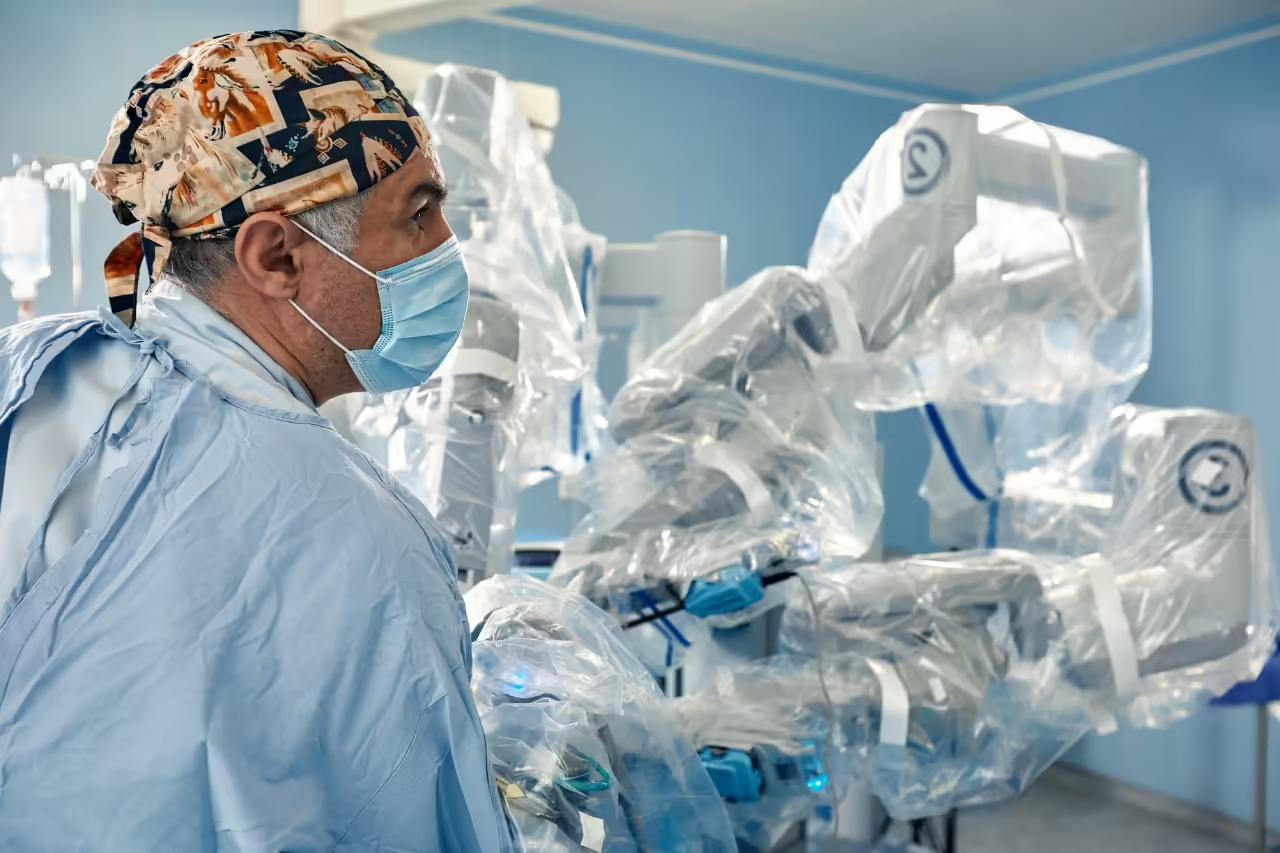
Santis was the first centre in the UK to perform Retzius-sparing robotic prostatectomy, an approach that preserves the supporting structures at the front of the pelvis and is associated with an earlier return of urinary continence. We carry it out exclusively using the da Vinci Single Port robot, which removes the prostate through a single incision of around 4 cm rather than via several separate ports.
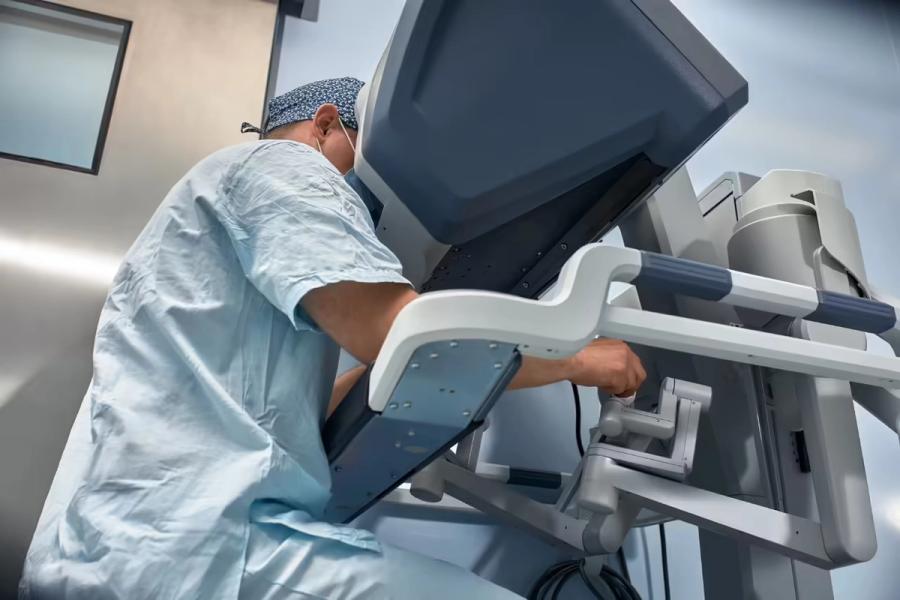
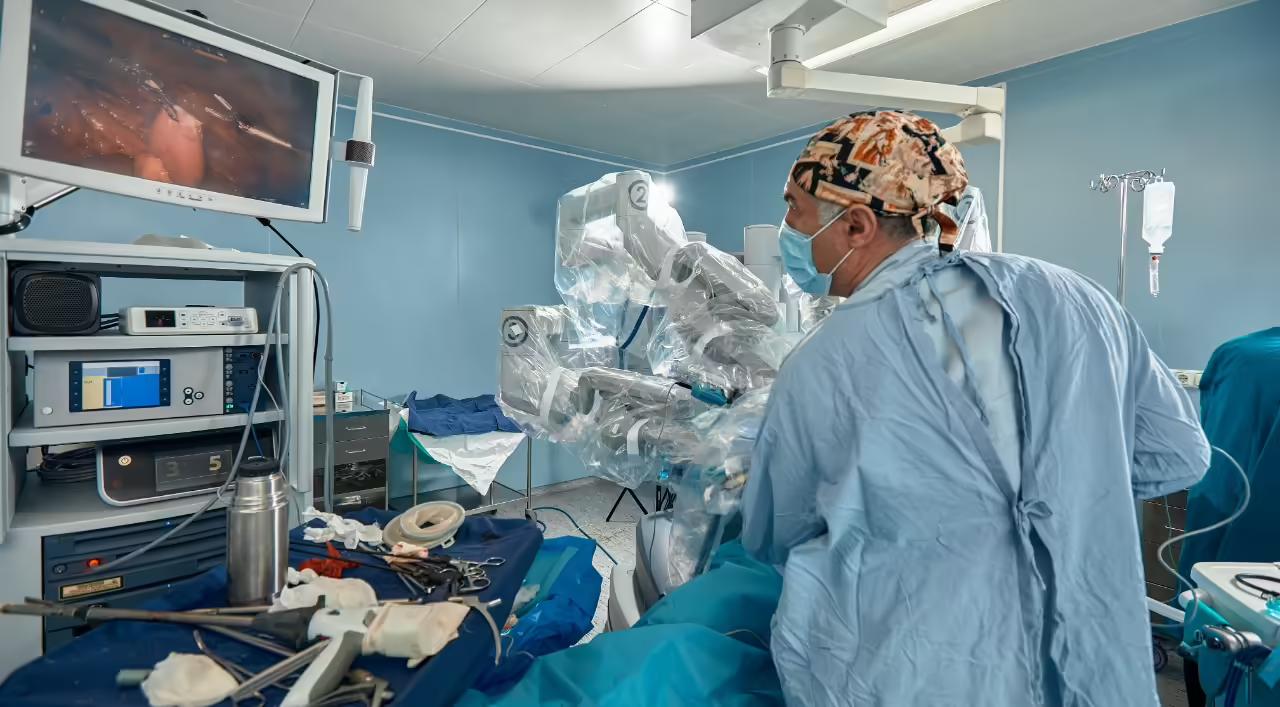
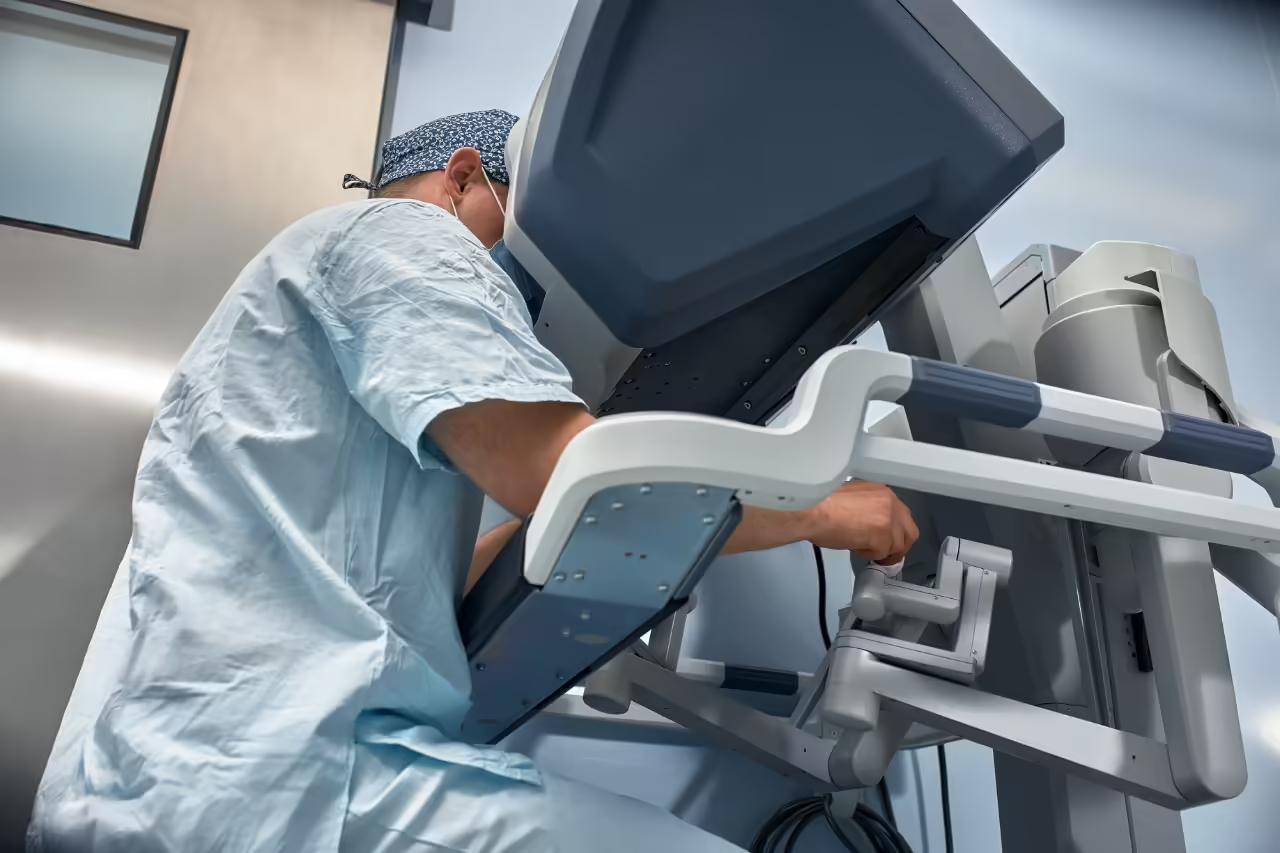
A robotic radical prostatectomy removes the entire prostate gland and the seminal vesicles to treat prostate cancer. The robot is not an automated device; the operation is carried out entirely by your surgeon, who controls fine robotic instruments from a console with a precision, range of movement and magnified 3D view that the human hand alone cannot achieve. Because the prostate sits close to the urinary sphincter, the nerves that control erections and a network of small vessels, that precision is central to controlling the cancer while protecting function.
Intra-operative pathology
NeuroSAFE: Checking the Cancer Margins During Your Operation Margins checked in theatre
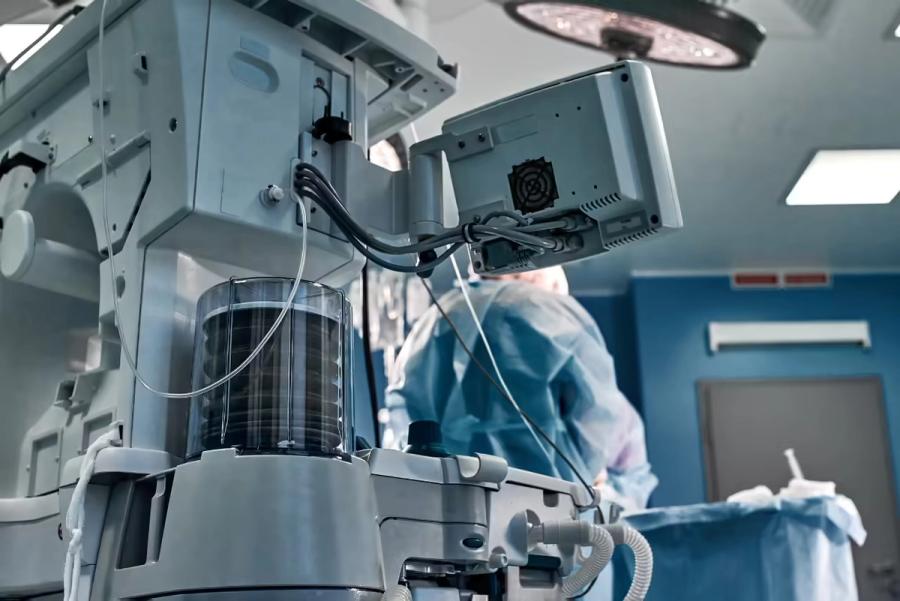
During surgery we use intra-operative pathology, known as NeuroSAFE, in which prostate tissue is analysed by a Consultant Pathologist while the operation is still underway. This lets the surgical margins be checked in real time so nerve tissue can be preserved wherever it is safe to do so, the foundation of our nerve-sparing prostatectomy.
Recovery
Your Recovery, Week by Week What the first year looks like
Recovery varies from person to person, but a typical path looks like this:
One to two days in hospital after surgery, then discharged home with a catheter in place. You will be encouraged to walk for at least 30 minutes each day.
The catheter is removed, and the activity level can be increased.
A gradual return to most normal activities, avoiding heavy lifting and riding a bicycle. Early continence often improves noticeably in this window, particularly with the Retzius-sparing approach.
Continence and sexual function continue to improve during the following months, supported by pelvic floor exercises and follow-up with your care team.
Our Results
Published studies consistently report that the Retzius-sparing approach is associated with faster recovery of early urinary continence after catheter removal compared with the standard technique, with comparable cancer-control outcomes. Professor Eden collects and publishes his own results so patients can see how the clinic performs:
- Continence
- 76.4% of men are pad-free at one month and 97.7% at one year.
- Potency
- 27.8% of non-diabetic men with normal potency prior to surgery and having both nerve bundles preserved achieve penetrative intercourse at one month, rising to 78.1% at one year.
- Cancer control
- A positive surgical margin rate of 9.2% for pT2 (organ-confined) prostate cancers, and 10-year cancer-specific survival of 99.88% (a cancer-specific mortality of 0.12%).
Continence and potency figures: Abou Chedid W, Janardanan S, Kavanagh L, Eden C. A pilot study to investigate the effect of topical microporous polysaccharide haemospheres on outcomes following robot-assisted radical prostatectomy. Ann RCSE 2022; 104: 24-27. Margin and mortality figures: Eden, personal series.
Our services from diagnosis to recovery
Prostate Cancer Screening
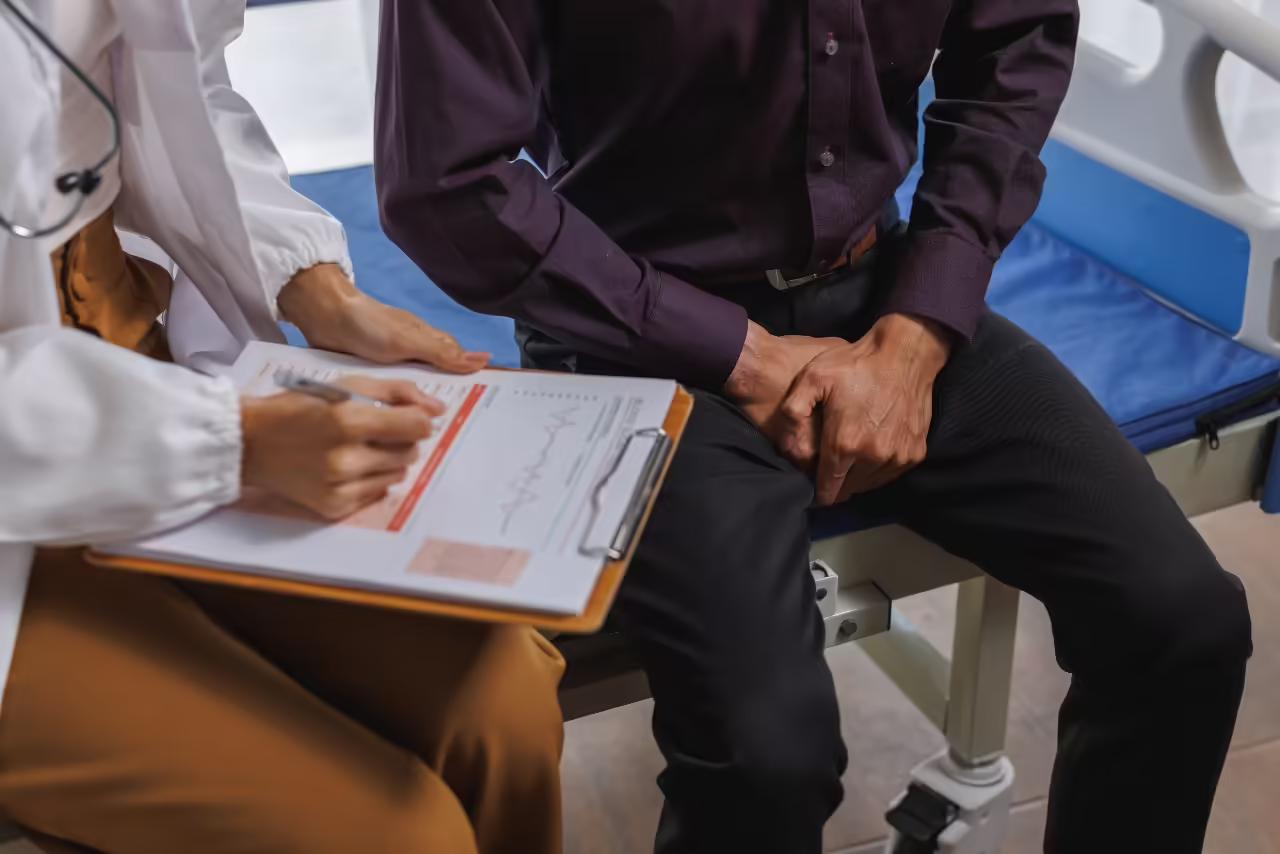
An MRI-first pathway: PSA and Stockholm-3 testing, high-resolution prostate MRI and targeted biopsy, led by specialist prostate consultants with rapid turnaround.
Learn more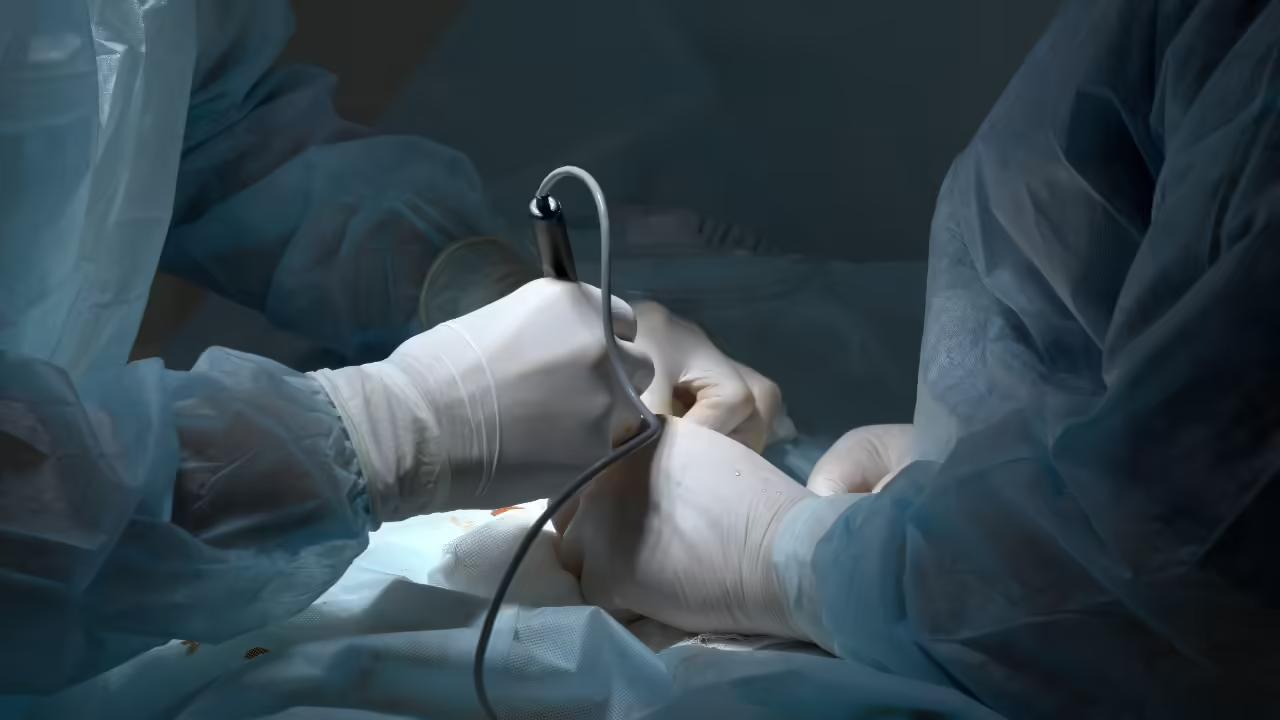
Prostate Cancer Surgery
Consultant-led surgery combining the Retzius-sparing approach, the da Vinci Single Port robot and intra-operative NeuroSAFE pathology, performed personally by Professor Eden.
Learn more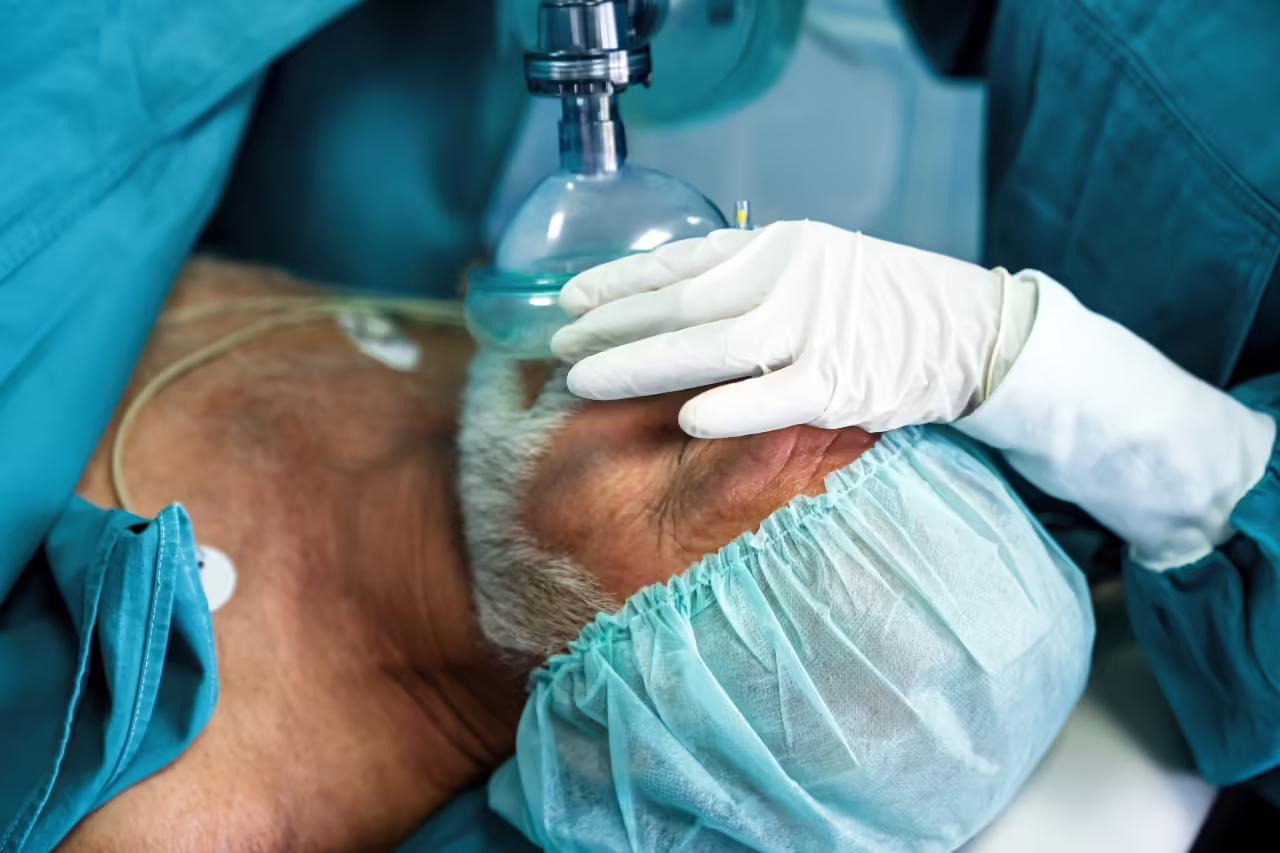
Nerve Sparing Prostatectomy
Nerve preservation guided by real-time NeuroSAFE pathology, so nerve tissue is spared where margins are clear and cancer removal is never traded off blindly.
Learn more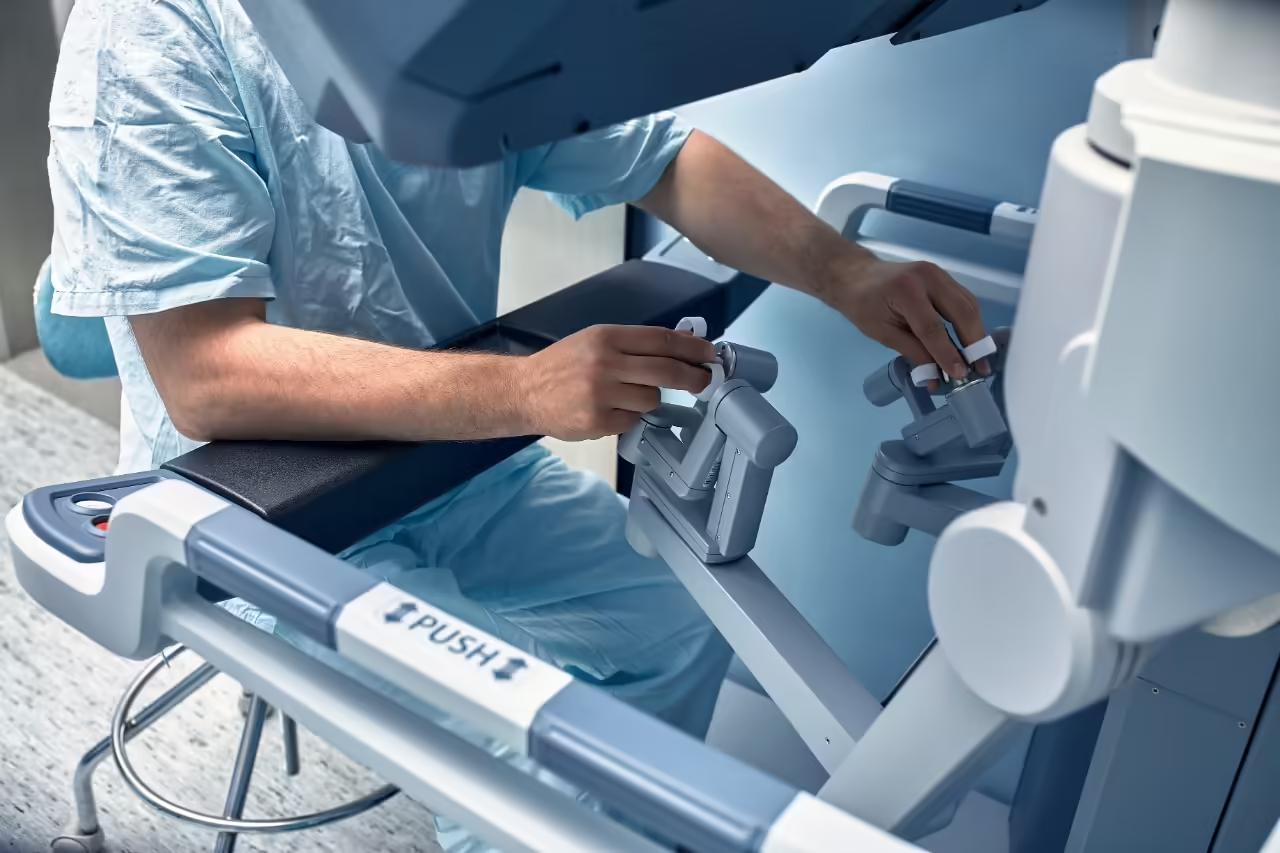
The da Vinci Single Port Robot
Among the first centres in Europe to adopt the Single Port platform, with all instruments through one small incision, reducing the trauma of access.
Learn more
FAQs
Robotic Radical Prostatectomy: Common Questions
What is the difference between robotic and open prostatectomy?
Open surgery uses a single large abdominal incision, whereas robotic surgery uses small incisions and robotic instruments controlled by the surgeon. The robotic approach is associated with less blood loss, a shorter hospital stay and a quicker recovery, and it is now how the great majority of prostatectomies in the UK are performed.
Is the robot performing my surgery?
No. The operation is carried out entirely by Professor Eden, who controls the robotic instruments from a console. The robot is a precision tool, not an automated surgeon.
What is the Retzius-sparing approach and why does it matter?
It is a technique that preserves the supporting structures at the front of the pelvis. In published studies it is associated with faster recovery of urinary continence in the early weeks after surgery, which is why we pioneered its use in the UK.
How long before I can drive and return to work?
Most men are driving 7 to 10 days after surgery, and return to non-strenuous work within a few weeks. Your team will give guidance tailored to your recovery.
What are the risks of robotic prostatectomy?
As with any major operation there are general risks such as bleeding, infection and anaesthetic-related issues, plus procedure-specific considerations affecting continence and erections. Our techniques are designed to reduce these risks, and your surgeon will discuss them fully before you consent.
Still have a question?
Read the full set of frequently asked questions, or speak to the team directly about your own diagnosis.