
Specialist prostate surgery
Book a consultation with Professor Eden to discuss whether surgery is right for your case.
Santis is one of the highest-volume prostatectomy practices in the UK, and what sets our surgery apart is a combination that no other centre can match: we were the first in the UK to perform Retzius-sparing robotic prostatectomy, we operate exclusively using the da Vinci Single Port robot, and we use intra-operative NeuroSAFE pathology in all of our patients. Every stage of your care is led personally by Professor Christopher Eden. The surgeon who plans your treatment is the surgeon who performs it.
Professor Eden has performed more than 4,000 robotic and laparoscopic prostatectomies over a career spanning more than two decades. For prostate surgery, this level of experience matters: the technique and consistency of your surgeon are closely linked to results in cancer control, urinary continence and erectile function.
Technique
The Differences That Define Surgery at Santis Three advances in one centre
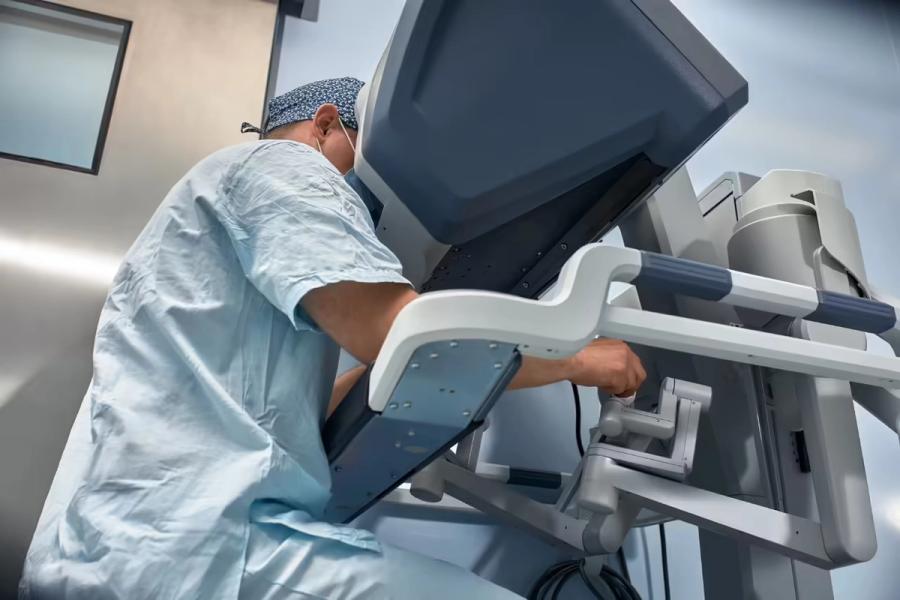
The da Vinci Single Port (SP) robot
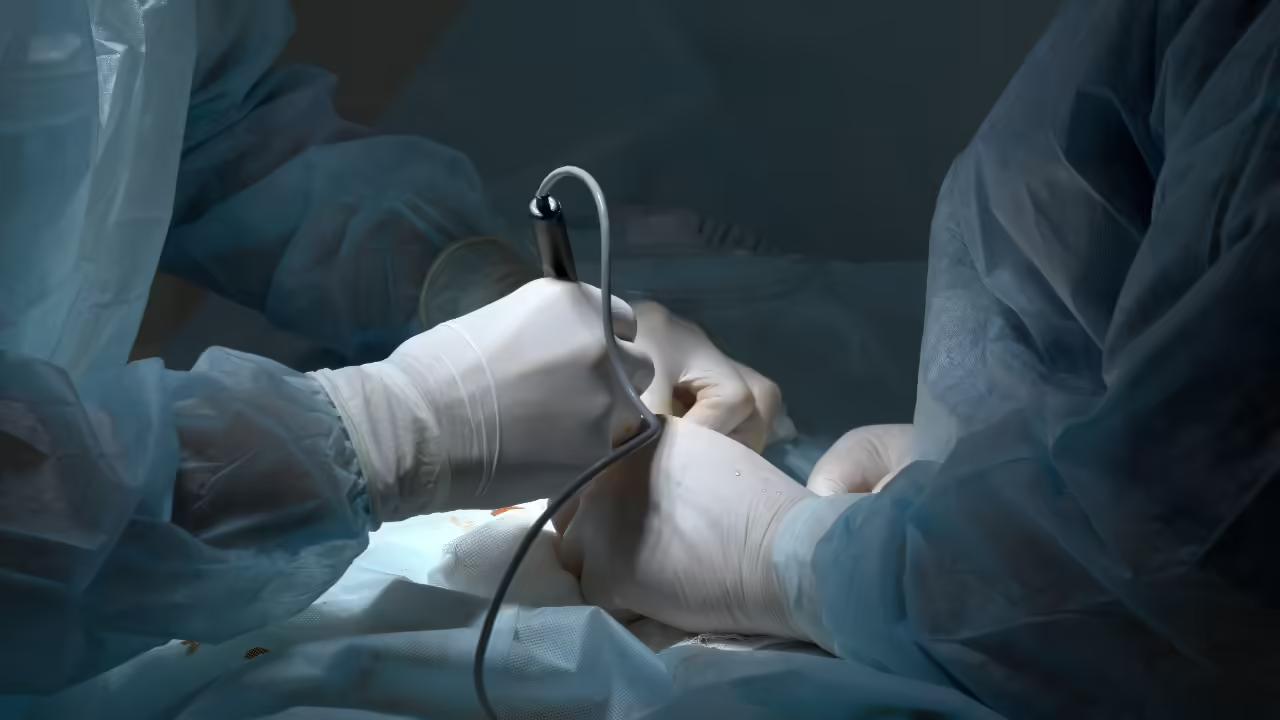
We remove the prostate through a single small incision rather than several ports, reducing the trauma of access and supporting a faster recovery.
The Retzius-sparing technique
Used in suitable patients, this preserves the supporting structures at the front of the pelvis and is associated with an earlier return of urinary continence.
Intra-operative NeuroSAFE pathology
Prostate tissue is examined by a Consultant Pathologist during your operation, so the plan can be adjusted in real time to protect nerve tissue and cancer control.
Multidisciplinary review
Before treatment begins, your imaging and plan are reviewed by a multidisciplinary team, giving you oversight from a panel of experts.
Comparison
Robotic Surgery Compared With Open Surgery Why almost all are now robotic
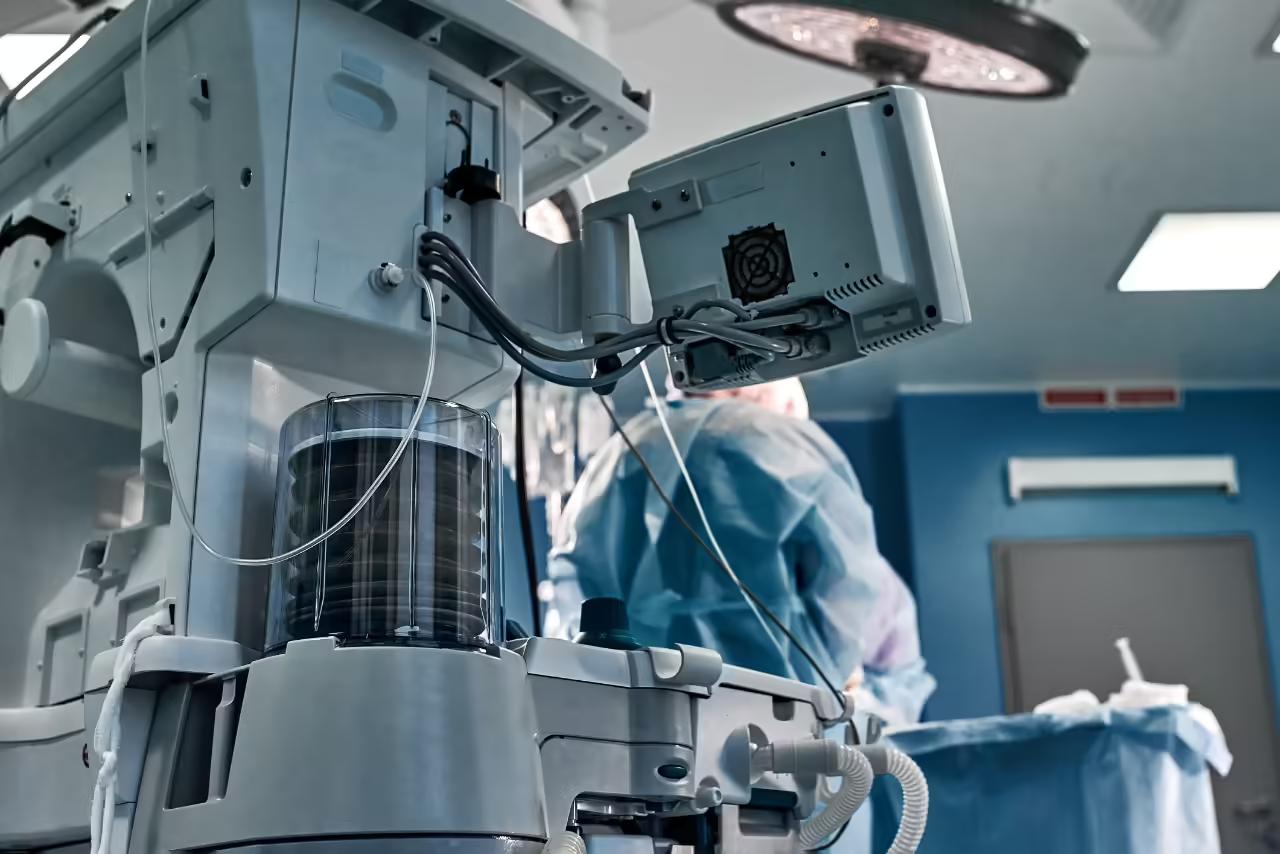
Before robotic and laparoscopic techniques, removing the prostate meant open surgery through a large abdominal incision. Today the great majority of prostatectomies in the UK are performed robotically, because a minimally invasive approach is associated with less blood loss, a shorter hospital stay and a quicker return to normal activities, while the magnified 3D view supports precise preservation of the structures that govern continence and potency. At Santis we take this further with the Single Port robot, which uses a single incision rather than the several required by conventional multiport robots.
Evidence
Our Results and Our Commitment to Transparency Real data, not just claims
Patient outcomes at Santis have been collected, published in peer-reviewed journals and presented at international conferences over many years. We believe patients choosing a surgeon deserve to see real data, not just claims. Our published figures include:
- Continence
- 76.4% of men are pad-free at one month and 97.7% at one year.
- Potency
- 27.8% of non-diabetic men with normal potency prior to surgery and having both nerve bundles preserved achieve penetrative intercourse at one month, rising to 78.1% at one year.
- Cancer control
- A positive surgical margin rate of 9.2% for pT2 (organ-confined) prostate cancers, and 10-year cancer-specific survival of 99.88% (a cancer-specific mortality of 0.12%).
Continence and potency figures: Abou Chedid W, Janardanan S, Kavanagh L, Eden C. A pilot study to investigate the effect of topical microporous polysaccharide haemospheres on outcomes following robot-assisted radical prostatectomy. Ann RCSE 2022; 104: 24-27. Margin and mortality figures: Eden, personal series.
Our services from diagnosis to recovery
Prostate Cancer Screening
An MRI-first pathway: PSA and Stockholm-3 testing, high-resolution prostate MRI and targeted biopsy, led by specialist prostate consultants with rapid turnaround.
Learn more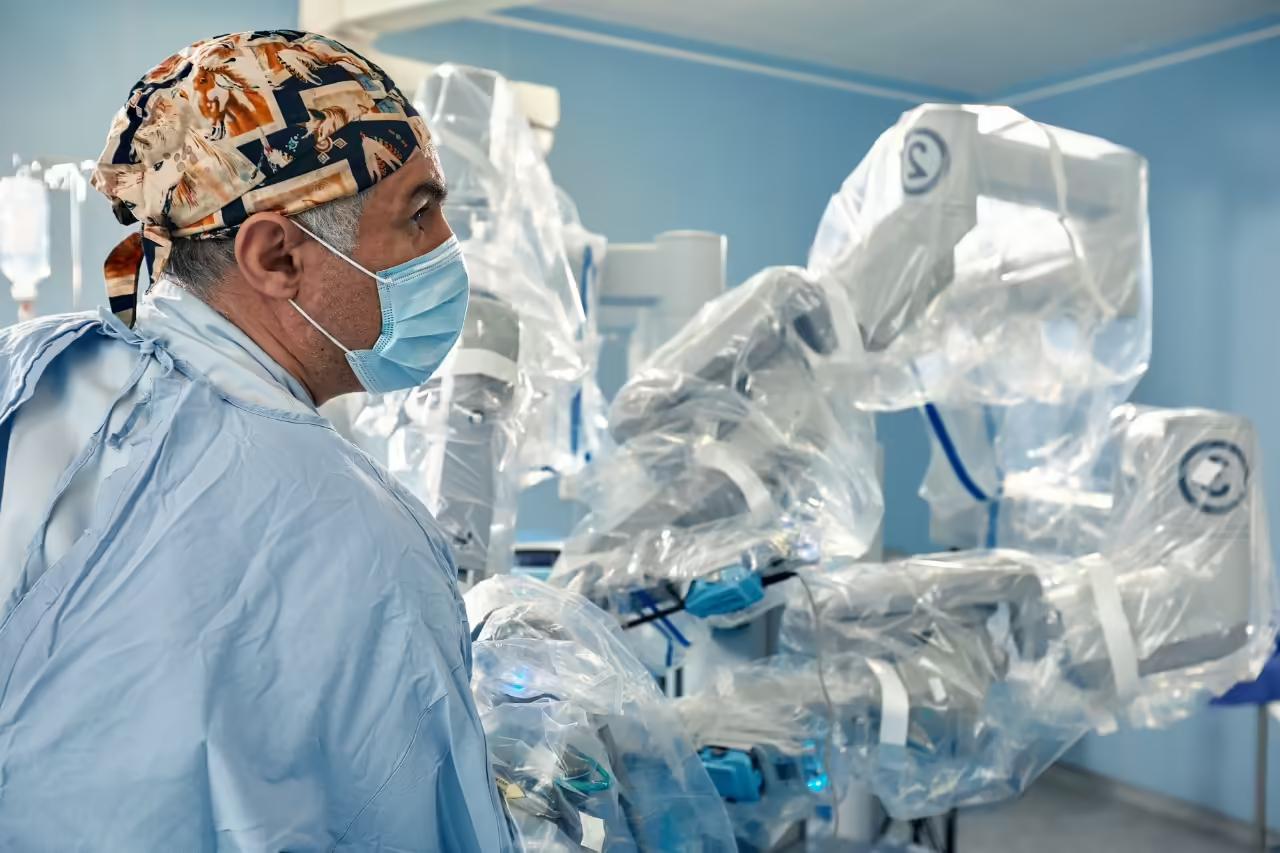
Robotic Prostatectomy
The UK’s first Retzius-sparing robotic prostatectomy, carried out through a single 4 cm incision with margins checked by a Consultant Pathologist during the operation.
Learn more
Nerve Sparing Prostatectomy
Nerve preservation guided by real-time NeuroSAFE pathology, so nerve tissue is spared where margins are clear and cancer removal is never traded off blindly.
Learn more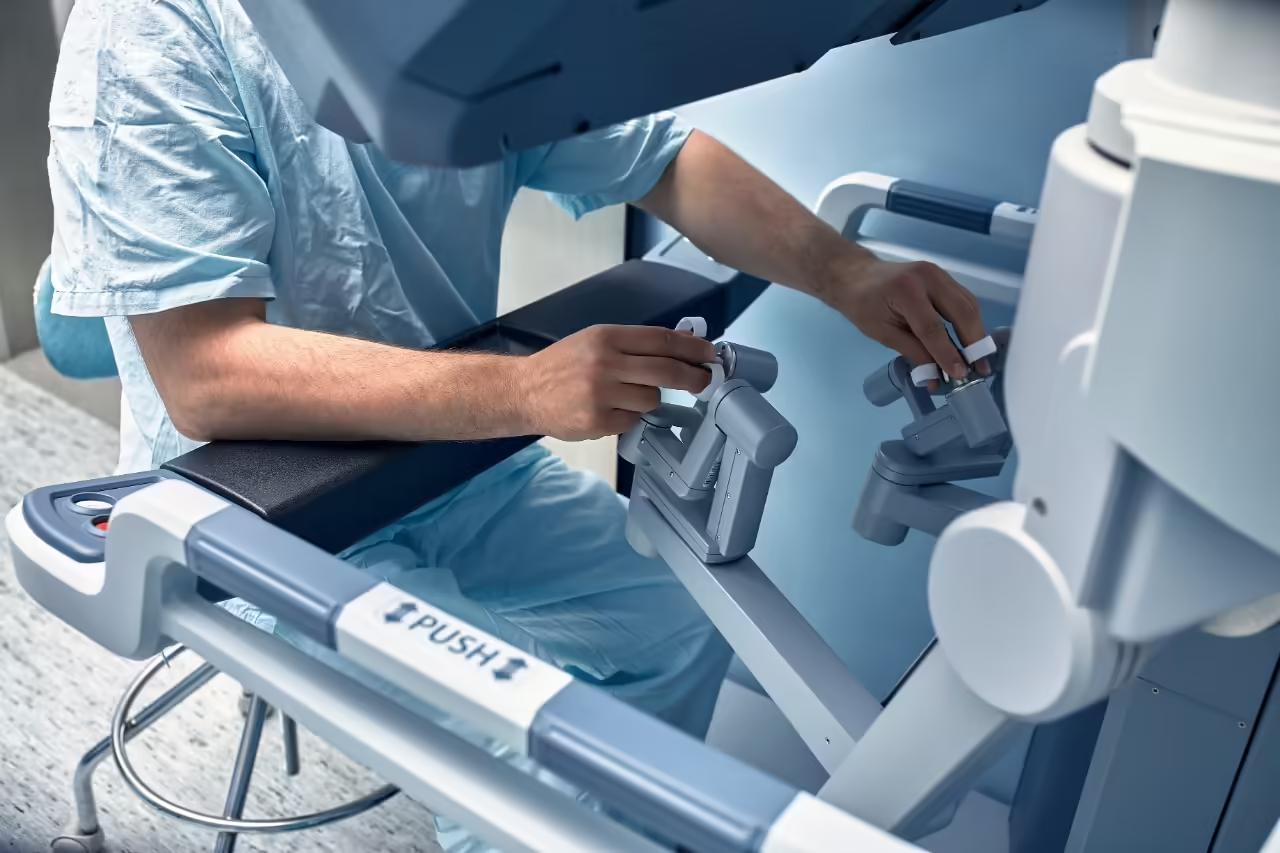
The da Vinci Single Port Robot
Among the first centres in Europe to adopt the Single Port platform, with all instruments through one small incision, reducing the trauma of access.
Learn more
FAQs
Frequently Asked Questions
How long does prostate surgery take and how long will I stay in hospital?
The operation itself typically takes two hours, is done under general anaesthetic, and most patients stay in hospital for one to two days.
How soon will I recover after prostate surgery?
Most men are able to drive after 10 days, swim after 2 weeks, run after 3 weeks and play golf and racquet sports after 4 weeks. The catheter is usually removed after two weeks, and continence and sexual function improve during the months that follow.
Will I be continent and potent after surgery?
Recovery of continence and erectile function varies with age, function before surgery and how much nerve tissue can be preserved. We have operated on many patients who are immediately continent when their catheters are removed at 2 weeks and already have erections by then that are sufficient for penetrative intercourse. Our Retzius-sparing and nerve-sparing techniques, guided by NeuroSAFE, are used to give you the best chance of a good functional outcome.
Who will perform my operation?
Professor Christopher Eden performs the surgery personally. The surgeon who plans your treatment is the surgeon who carries it out.
How much does private prostate surgery cost?
A robotic prostatectomy is priced at £24,640. An initial consultation is £290. We work with all the major private medical insurers, and self-pay is available. Please contact the clinic for a tailored quote.
Still have a question?
Read the full set of frequently asked questions, or speak to the team directly about your own diagnosis.