

Removing the cancer while protecting function
Talk to us about preserving function, and what NeuroSAFE could mean for your own operation.
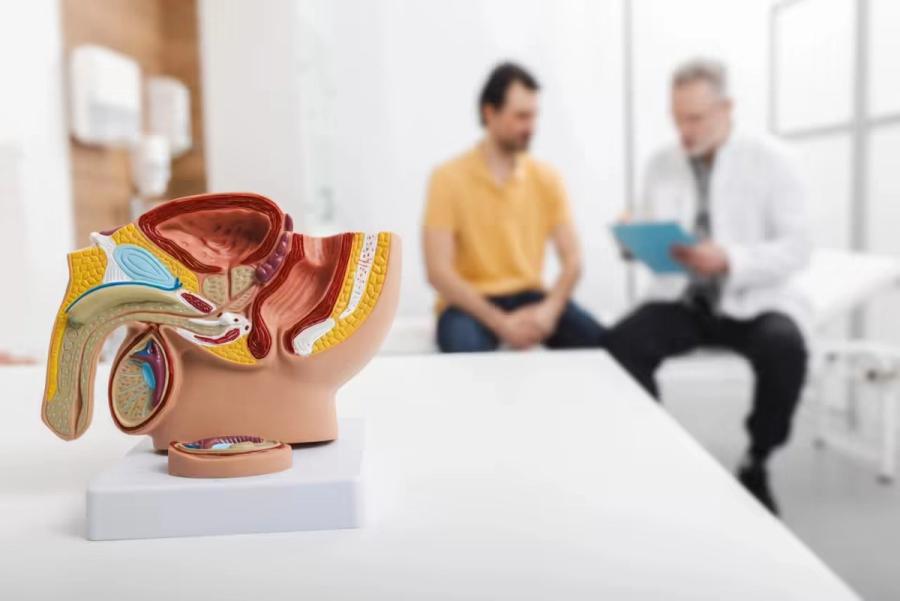
Running alongside the back of each side of the prostate are the neurovascular bundles, delicate nerves that control erections and contribute to urinary control. A nerve-sparing prostatectomy aims to remove the cancer completely while preserving as much of this nerve tissue as possible. What sets our approach apart is that this judgement is not left to the appearance of the tissue alone: we use intra-operative NeuroSAFE pathology, examining prostate tissue under a microscope while you are still in theatre so nerve preservation is guided by real-time evidence of clear margins.
If the margins are clear, nerve tissue can be confidently preserved. If they are not, the approach is adjusted immediately to prioritise complete cancer removal. This allows functional results and cancer control to be maximised together rather than traded off blindly.
The judgement
Full, Partial or Non-Nerve-Sparing: How the Decision Is Made Per side, and on evidence
Whether a full, partial or non-nerve-sparing approach is appropriate depends on where the cancer sits and how advanced it is. Preserving nerves is only worthwhile if it does not compromise the primary goal of removing the cancer. NeuroSAFE gives Professor Eden objective, real-time information to make that judgement for each side of the prostate individually, rather than deciding blind.

The platform
The Role of the Single Port Robot Stability where it matters most
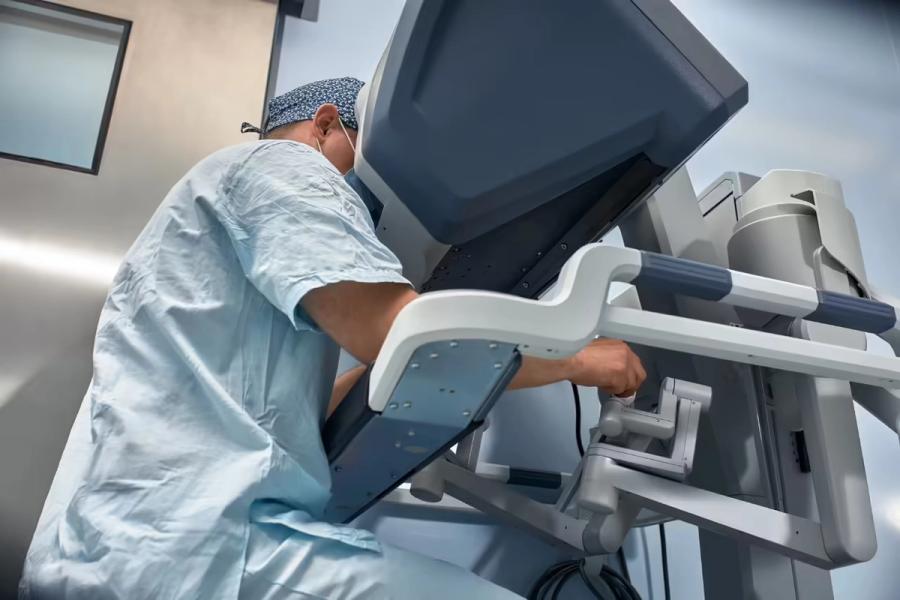
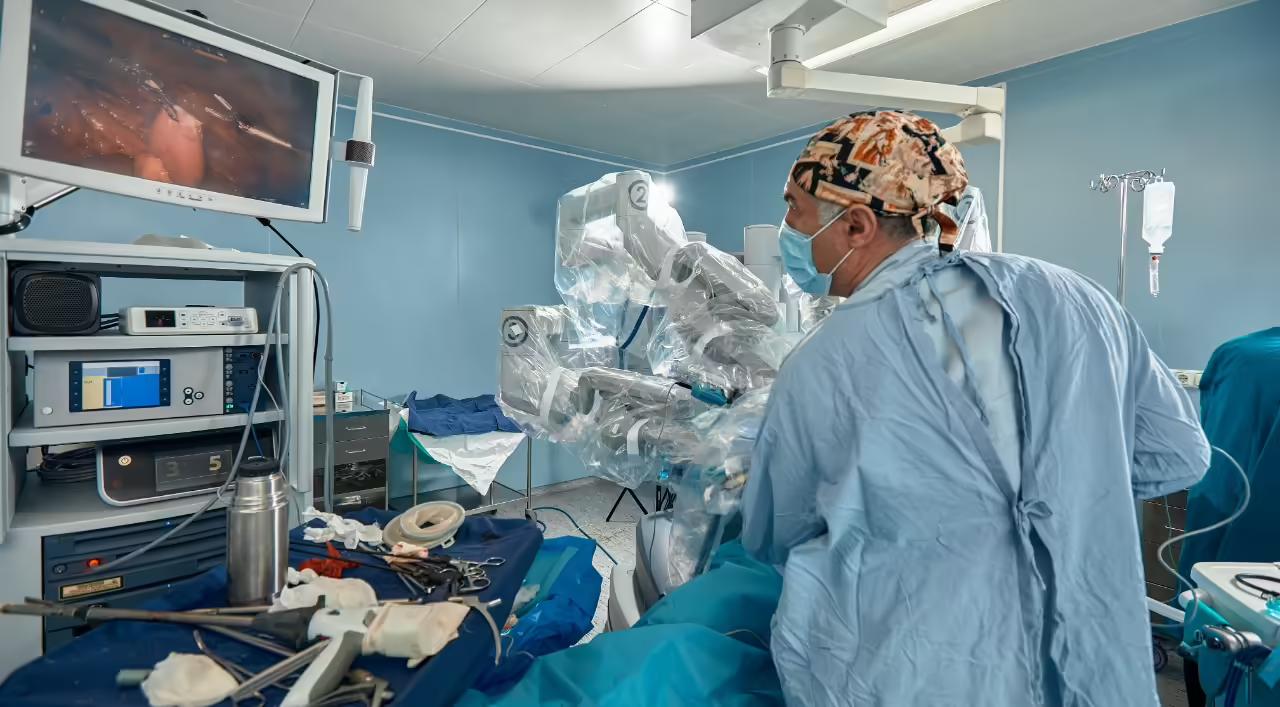
We carry out nerve-sparing surgery robotically, and in suitable patients with the da Vinci Single Port robot. Its stability, magnified 3D vision and fine control help protect the neurovascular bundles during the most delicate stages of the operation. Combined with the Retzius-sparing approach used in our robotic radical prostatectomy, this supports both an earlier return of continence and the preservation of sexual function where the cancer allows.
Our Results
The evidence base shows that careful nerve preservation improves the likelihood of recovering erectile function after surgery, and that NeuroSAFE-guided surgery can increase the rate of nerve-sparing without compromising cancer control. Professor Eden publishes his own functional outcomes so patients can see the clinic’s results.
- Potency
- 27.8% of non-diabetic men with normal potency prior to surgery and having both nerve bundles preserved achieve penetrative intercourse at one month, rising to 78.1% at one year.
Abou Chedid W, Janardanan S, Kavanagh L, Eden C. A pilot study to investigate the effect of topical microporous polysaccharide haemospheres on outcomes following robot-assisted radical prostatectomy. Ann RCSE 2022; 104: 24-27.
Our services from diagnosis to recovery
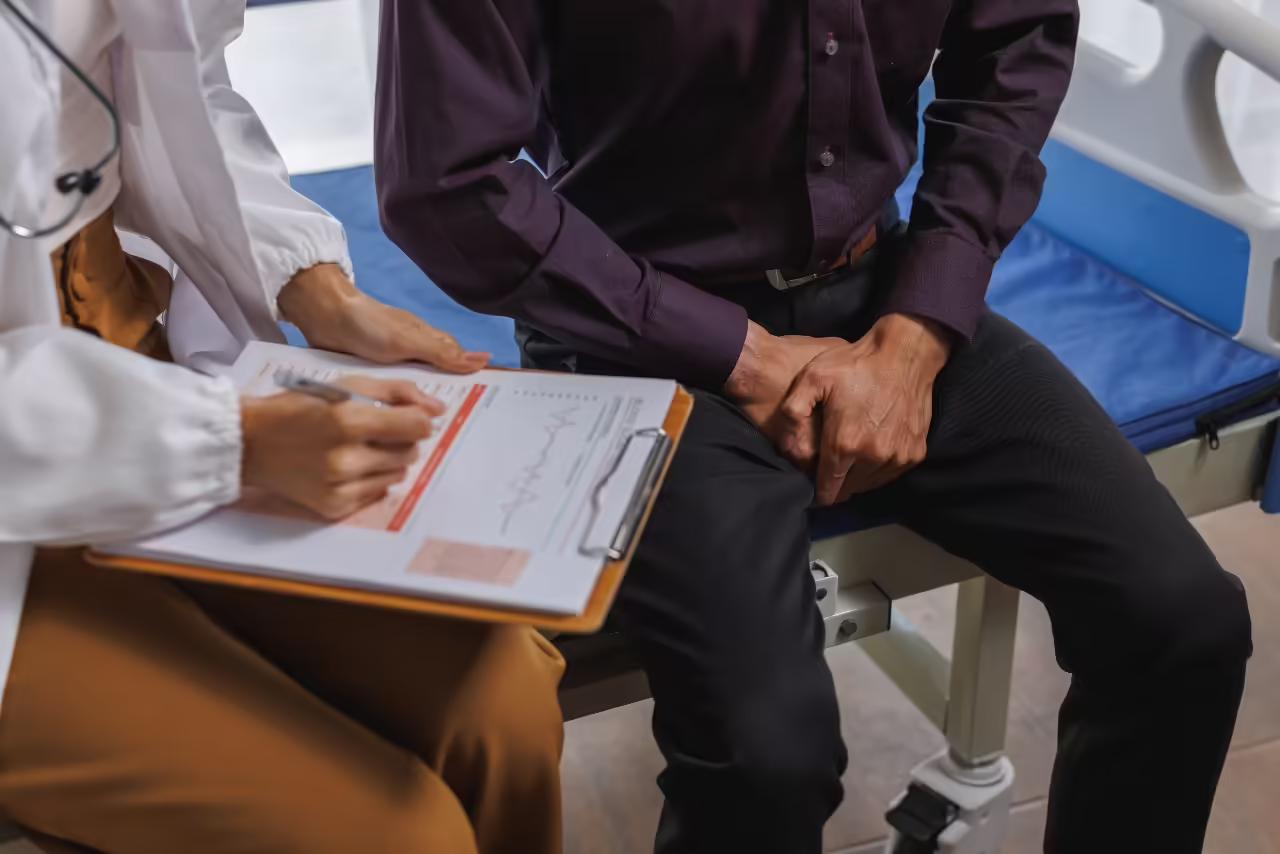
Prostate Cancer Screening
An MRI-first pathway: PSA and Stockholm-3 testing, high-resolution prostate MRI and targeted biopsy, led by specialist prostate consultants with rapid turnaround.
Learn more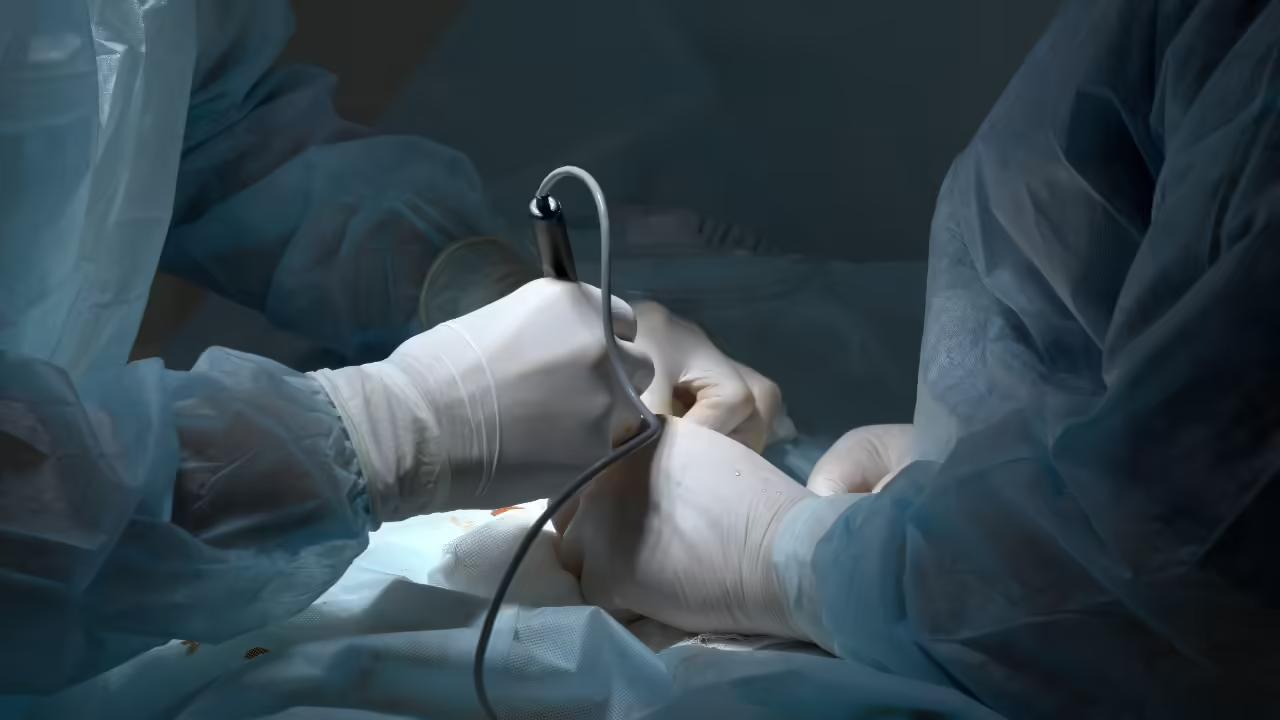
Prostate Cancer Surgery
Consultant-led surgery combining the Retzius-sparing approach, the da Vinci Single Port robot and intra-operative NeuroSAFE pathology, performed personally by Professor Eden.
Learn more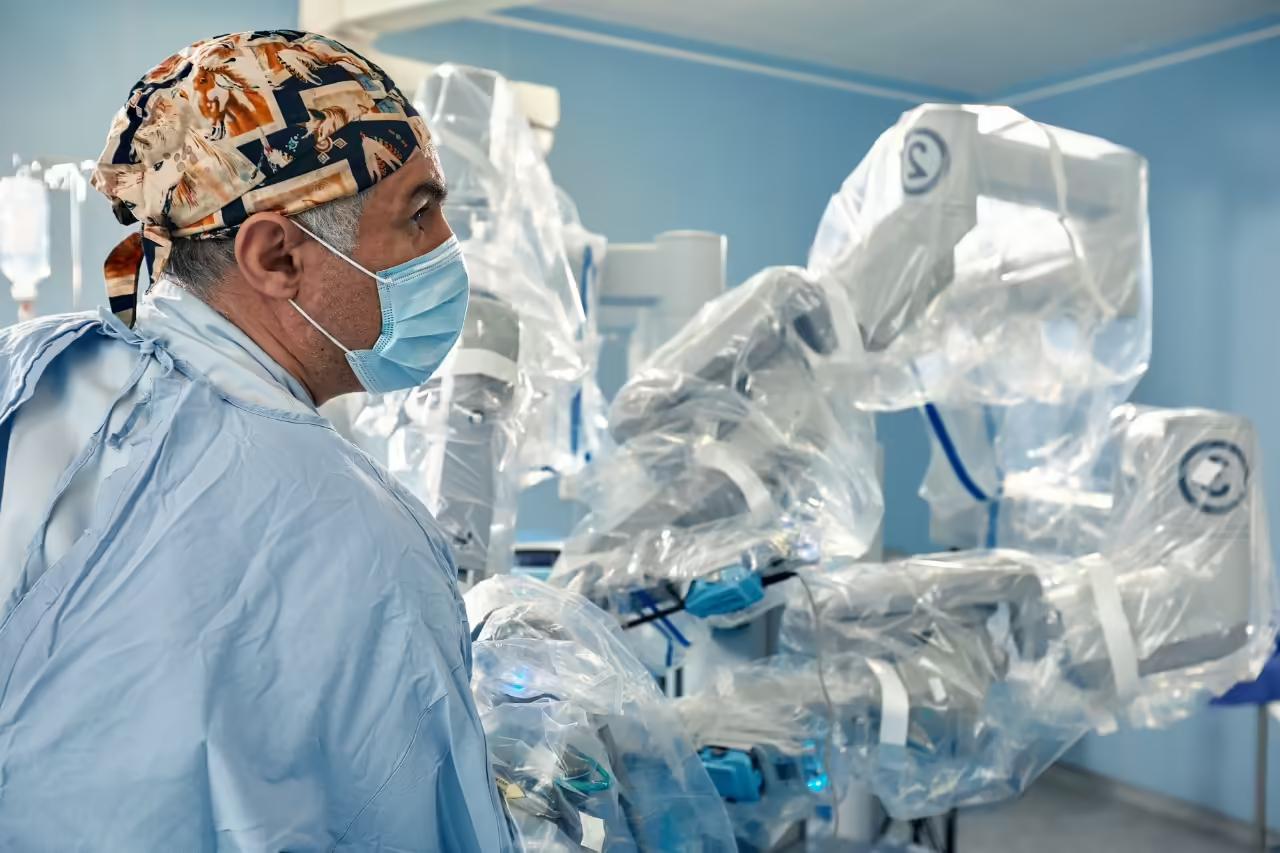
Robotic Prostatectomy
The UK’s first Retzius-sparing robotic prostatectomy, carried out through a single 4 cm incision with margins checked by a Consultant Pathologist during the operation.
Learn more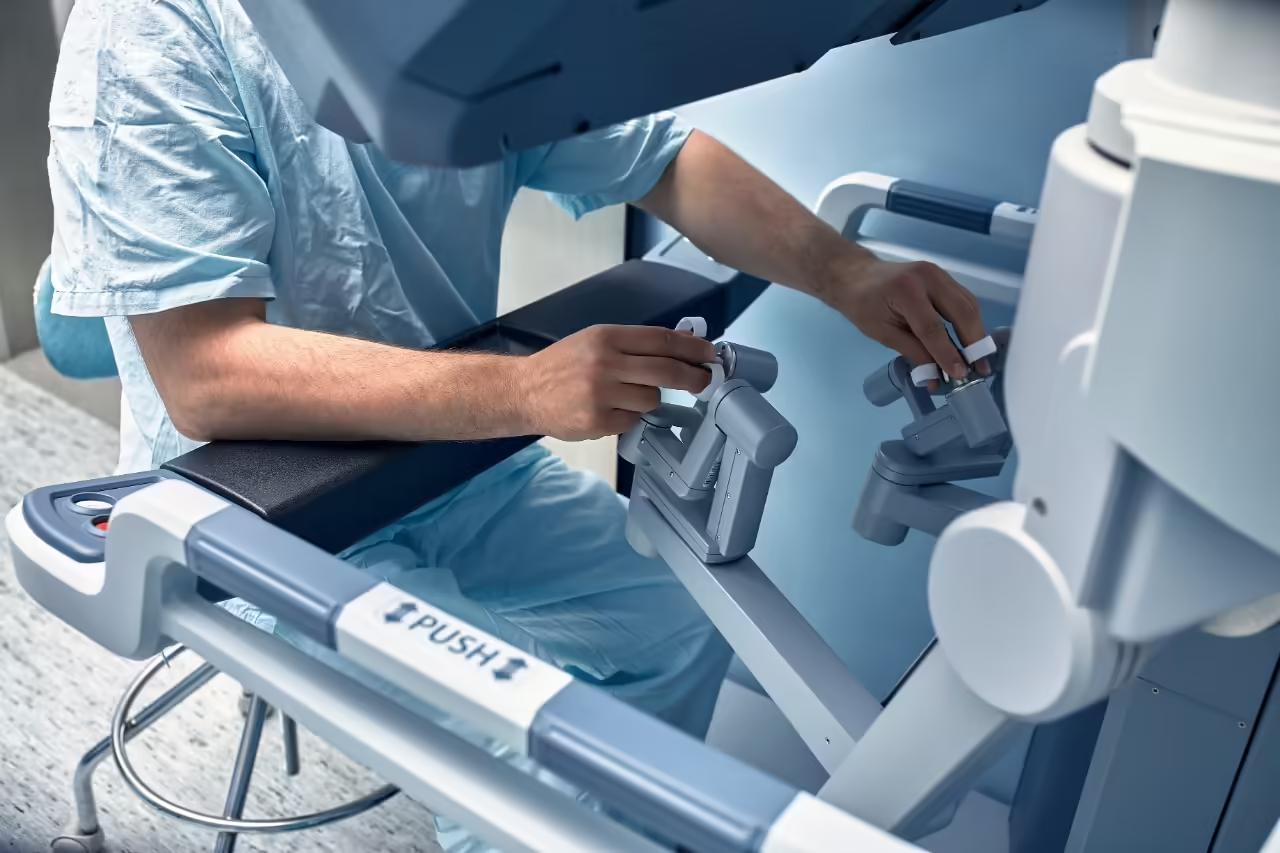
The da Vinci Single Port Robot
Among the first centres in Europe to adopt the Single Port platform, with all instruments through one small incision, reducing the trauma of access.
Learn more
FAQs
Nerve-Sparing Surgery: Common Questions
Will nerve-sparing surgery guarantee I keep erectile function?
No intervention for prostate cancer can guarantee this. Nerve-sparing gives you the best opportunity to recover erectile function, but the individual outcome depends on function before surgery, age, and how much nerve tissue can safely be preserved given the position of the cancer.
How does NeuroSAFE improve my chances?
NeuroSAFE checks the cancer margins during the operation, so nerve tissue can be preserved with confidence when margins are clear, and the approach adjusted immediately when they are not. It lets us maximise nerve preservation without compromising cancer removal.
How long does erectile function take to return?
Recovery is variable, and is highly dependent on the factors listed above. Many of the younger men that we operate on have good immediate potency and at the other end of the spectrum, in older patients or those with less nerve preservation, potency improves gradually over six to twelve months or longer, and is supported by rehabilitation guidance from your care team. Continence typically recovers sooner than erectile function.
Can everyone have nerve-sparing surgery?
Not always. If the cancer is close to or involves the nerves, full preservation may not be safe. The decision is made individually, and NeuroSAFE helps make it as precisely as possible.
Still have a question?
Read the full set of frequently asked questions, or speak to the team directly about your own diagnosis.