

Among the first centres in Europe
Ask whether single-incision surgery suits your case when you book your first consultation with us.
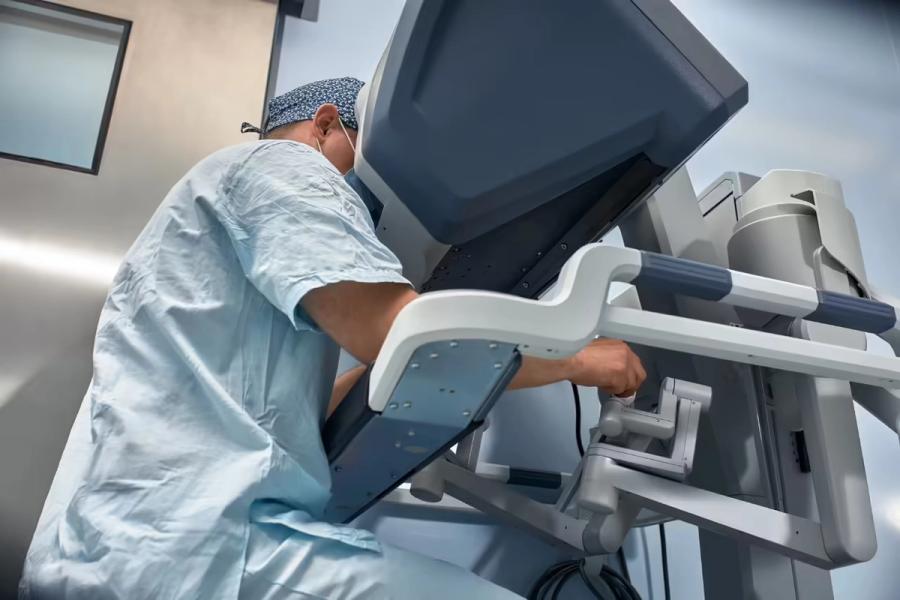
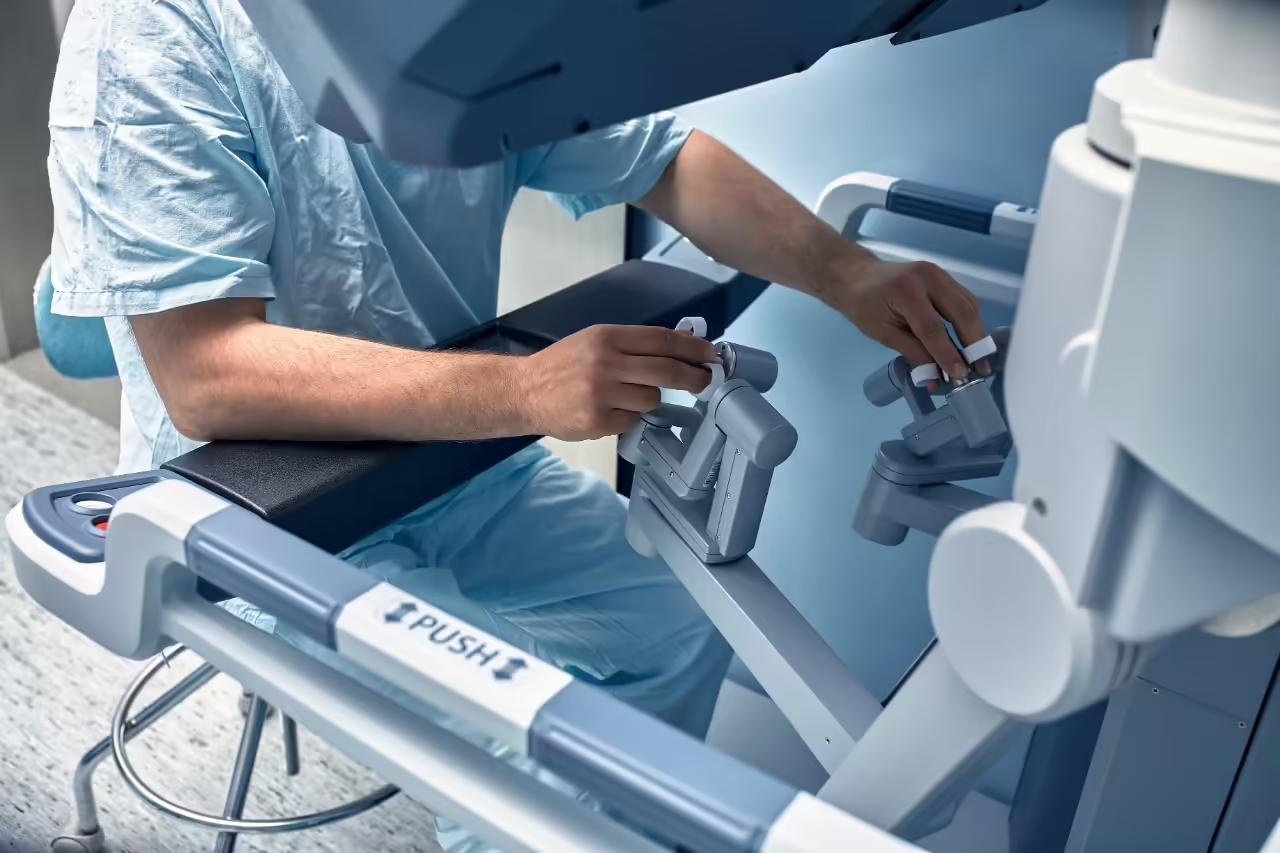
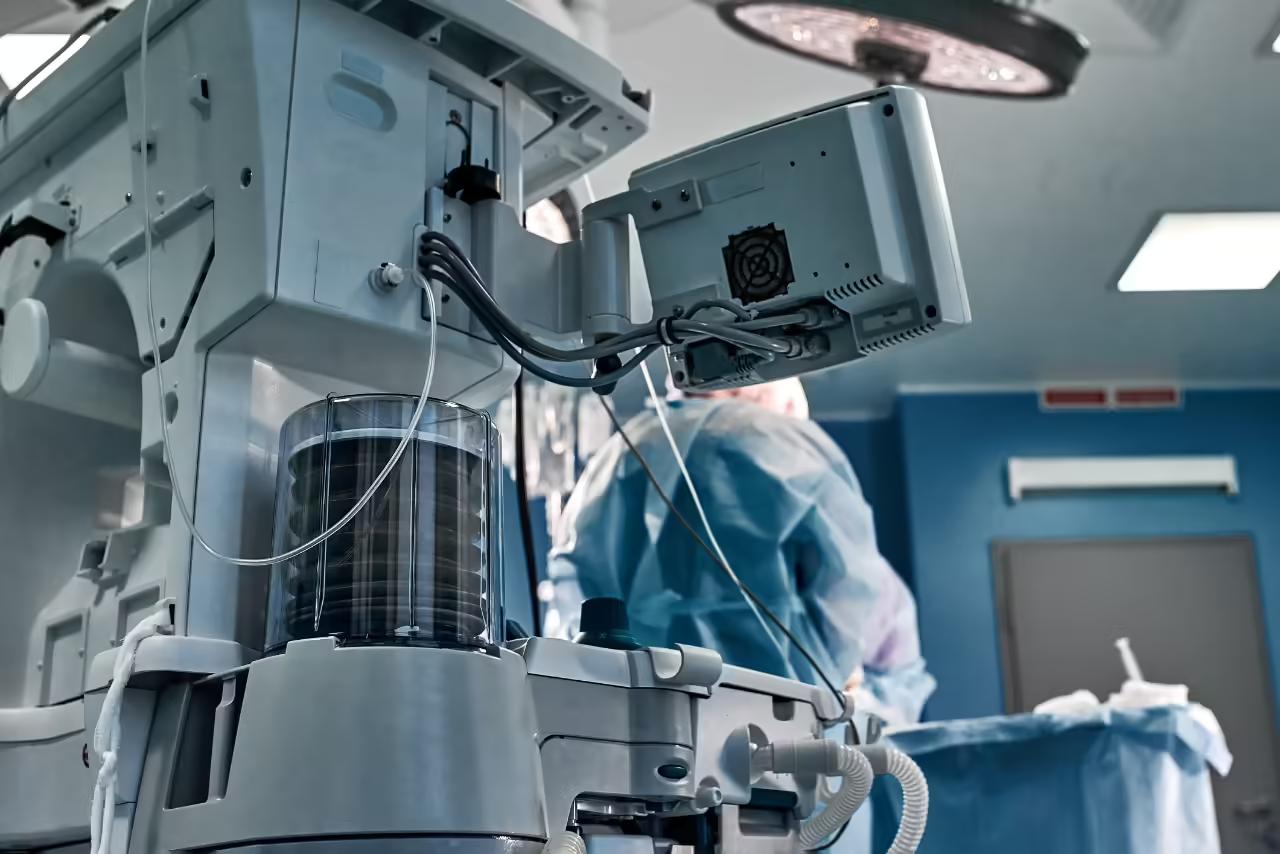
Conventional robotic prostatectomy uses several (usually 5 or 6) separate incisions, one for each robotic arm and the assistant’s instruments. The da Vinci Single Port (SP) robot works differently: all robotic instruments and the assistant port pass through a single small incision below the navel. Santis was among the first centres in Europe to adopt this platform, which received European medical device certification in December 2023 and was introduced at our centre in April 2024. We now use it as our standard approach in all patients, and it is a capability very few UK clinics can offer.
Comparison
Single Port Compared With Conventional Multiport Robotic Surgery One incision, not five or six
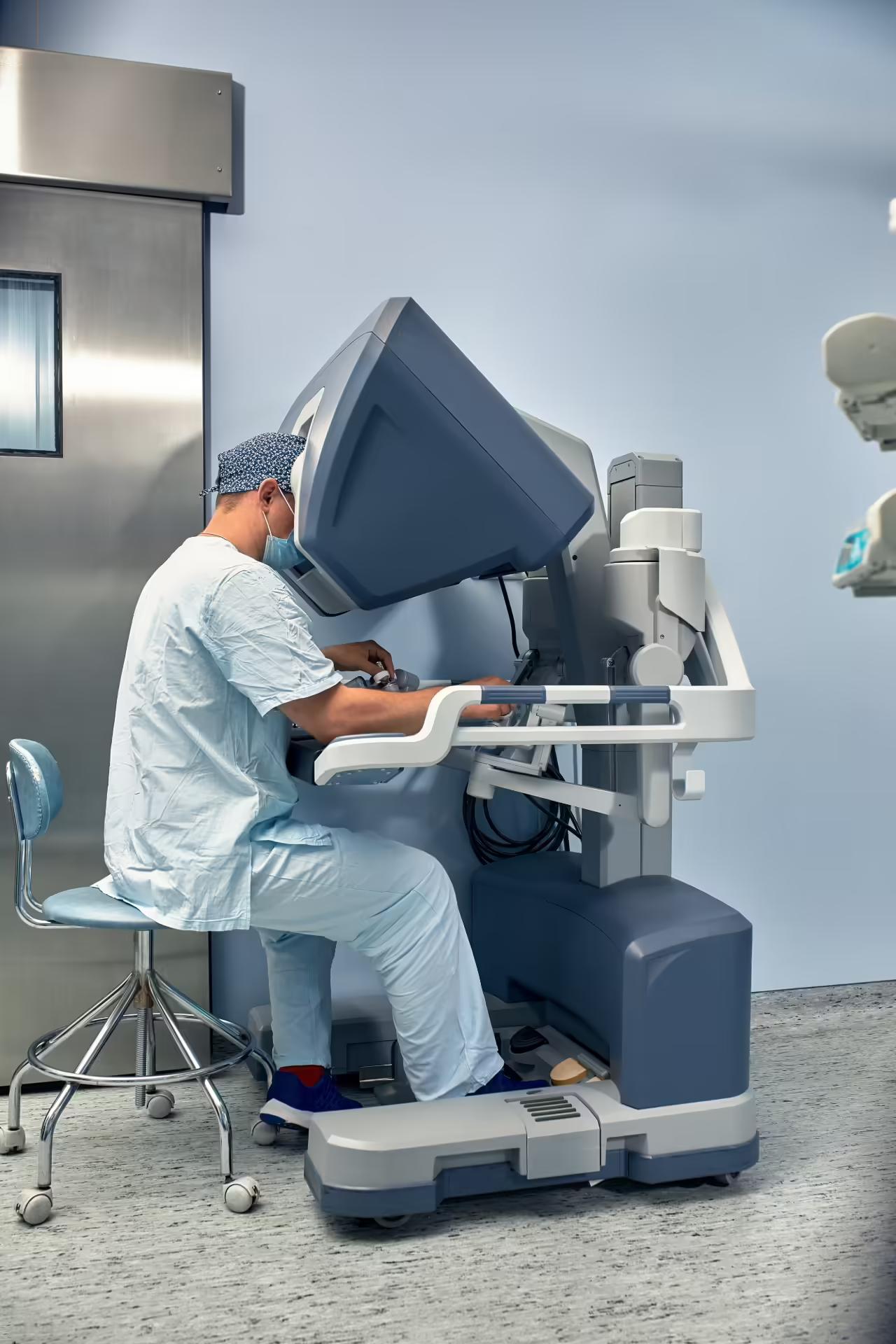
Both approaches use the da Vinci system and are carried out by your surgeon from a console. The difference is access. A conventional multiport robot needs several small incisions; the Single Port robot needs just one, and where multiple ports would be more hazardous, after previous abdominal surgery for instance, that single point of entry matters. The precision and cancer-control principles are the same; the Single Port platform aims to deliver them with less surgical trauma.
Why it matters
The Advantages of a Single Incision Less trauma of access
Reduced trauma of access
Fewer points of access can mean less post-operative discomfort and a quicker return to daily activities.
Ideal for the extraperitoneal approach
This is also the ideal and safest tool for the extraperitoneal approach in patients after major abdominal surgery.
Suitable for complex cases
A single incision can be particularly valuable for patients who have had previous abdominal surgery.
Precision and stability
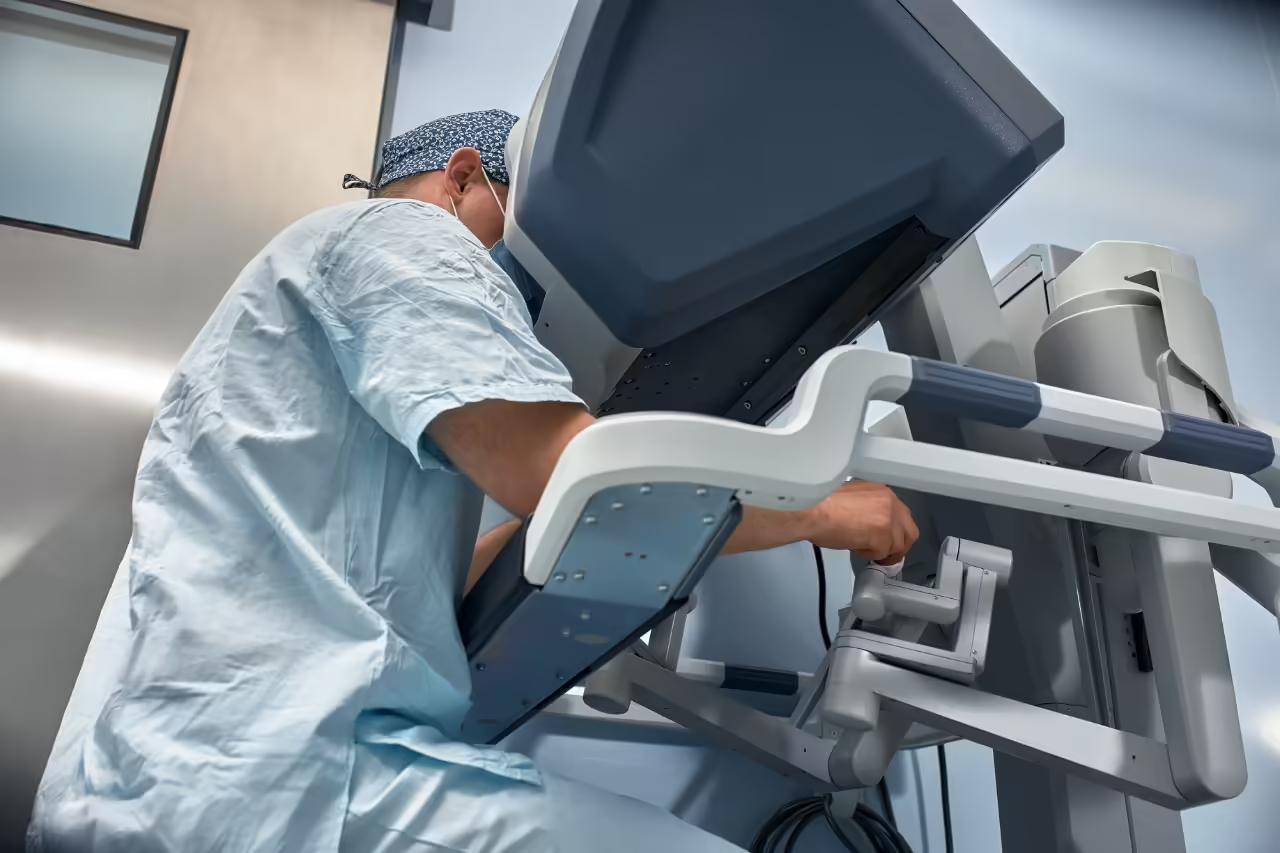
The SP platform provides high-definition 3D vision and stable, precise instrument control, supporting accurate removal of cancerous tissue and protection of the nerves that govern potency and continence.
Faster recovery
A smaller, single incision supports a shorter hospital stay, typically one to two days, and a faster recovery overall.
Together
How It Works With Our Other Techniques It enhances, not replaces
The Single Port platform enhances rather than replaces our core techniques. It supports the Retzius-sparing approach used in our robotic radical prostatectomy and, combined with intra-operative NeuroSAFE pathology, helps us pursue the three goals that matter most together: cancer control, continence and sexual function. It is central to how we perform nerve-sparing prostatectomy.
Experience
Our Experience With the Single Port Robot Among Europe's earliest adopters
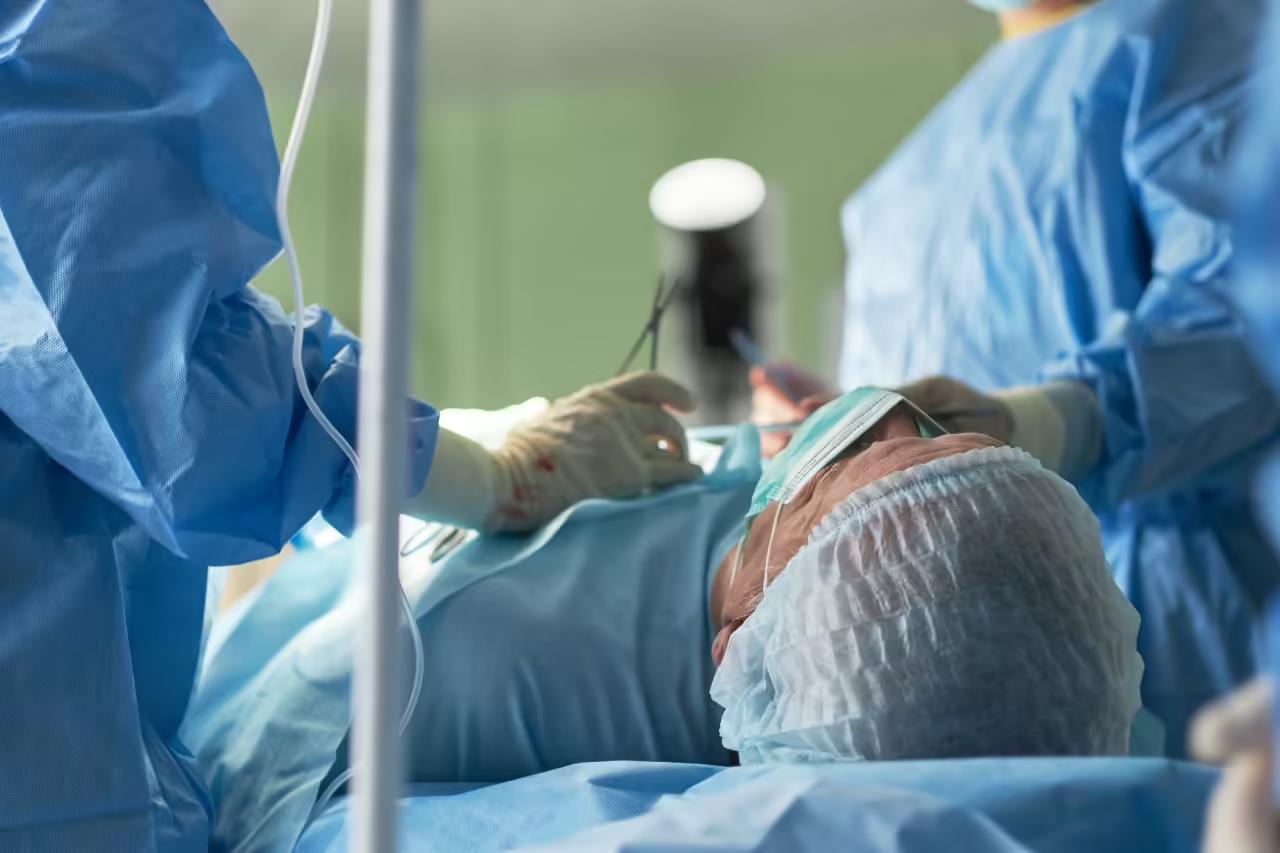
As one of the earliest adopters of the SP platform in Europe, Santis has built substantial experience with single-incision robotic prostatectomy, backed by a long-standing, high-volume prostatectomy practice.
Our services from diagnosis to recovery
Prostate Cancer Screening
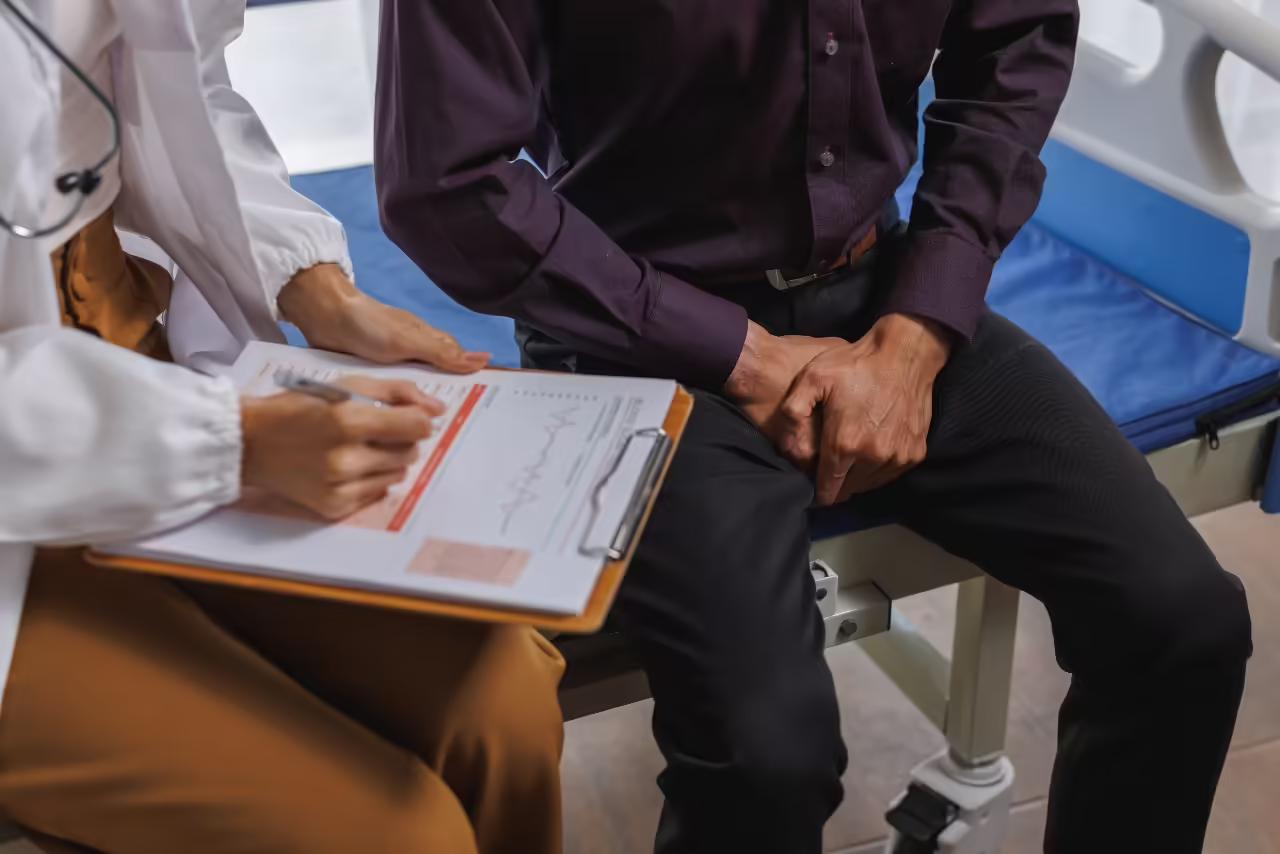
An MRI-first pathway: PSA and Stockholm-3 testing, high-resolution prostate MRI and targeted biopsy, led by specialist prostate consultants with rapid turnaround.
Learn more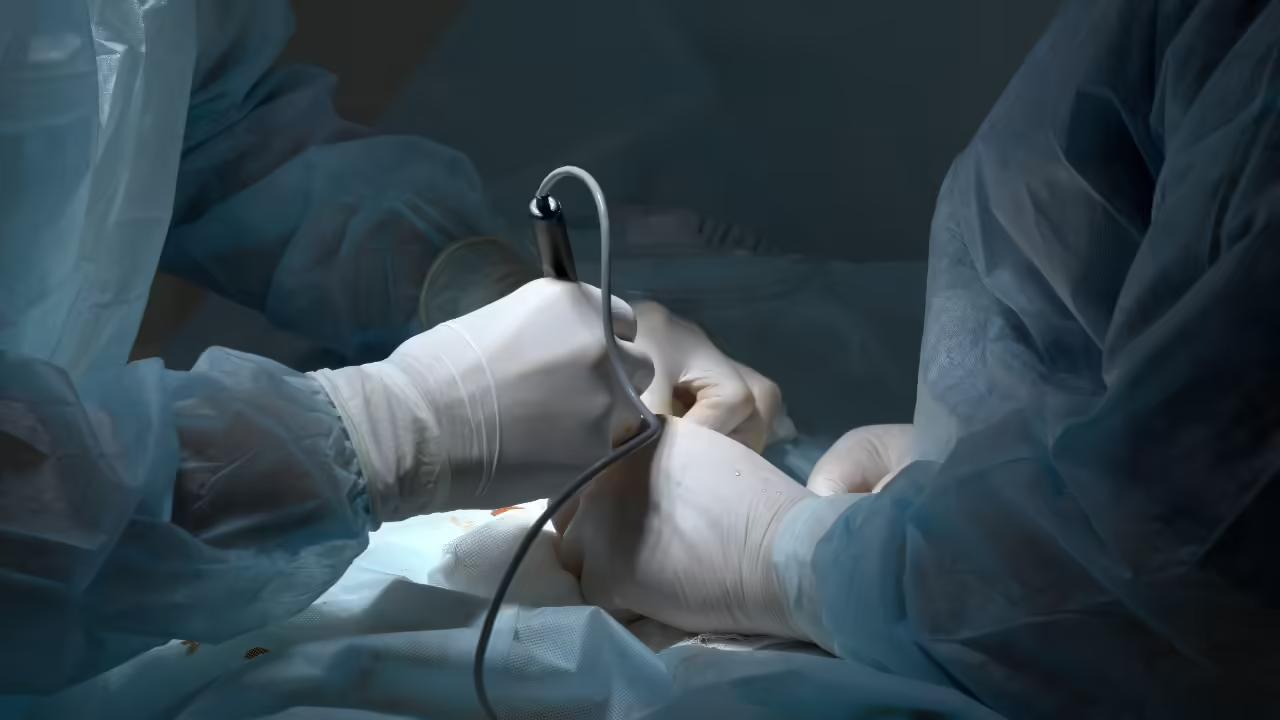
Prostate Cancer Surgery
Consultant-led surgery combining the Retzius-sparing approach, the da Vinci Single Port robot and intra-operative NeuroSAFE pathology, performed personally by Professor Eden.
Learn more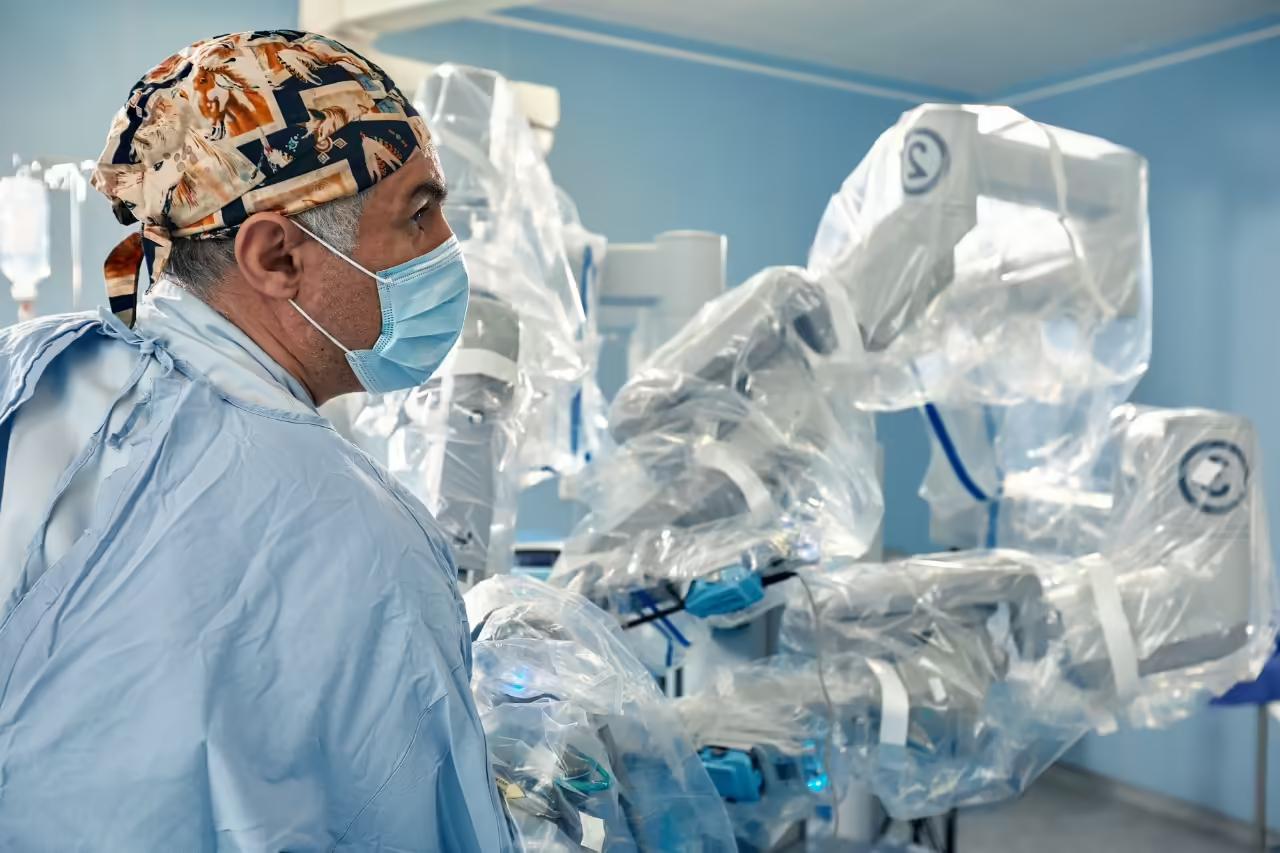
Robotic Prostatectomy
The UK’s first Retzius-sparing robotic prostatectomy, carried out through a single 4 cm incision with margins checked by a Consultant Pathologist during the operation.
Learn more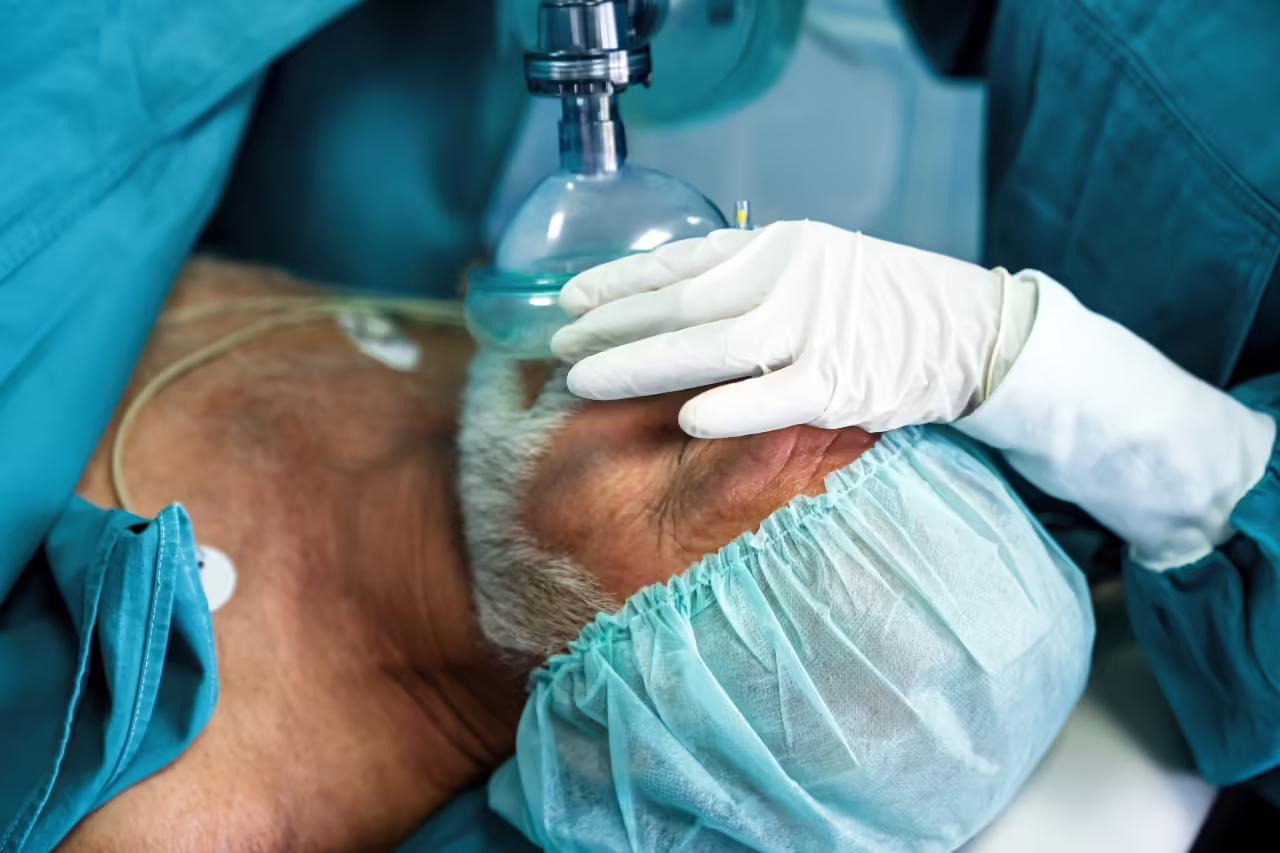
Nerve Sparing Prostatectomy
Nerve preservation guided by real-time NeuroSAFE pathology, so nerve tissue is spared where margins are clear and cancer removal is never traded off blindly.
Learn more
FAQs
Single Port Surgery: Common Questions
Is Single Port surgery safer than multiport?
Both are safe, established approaches carried out by your surgeon. The Single Port robot aims to reduce the trauma of access by using one incision rather than several, which can mean less discomfort and a smaller wound footprint.
Does a single incision mean a faster recovery?
A smaller, single incision supports a shorter hospital stay, typically one to two days, and can reduce post-operative discomfort. Overall recovery still depends on the individual and on the nerve-sparing achieved.
Is the Single Port robot available on the NHS?
Access to the SP platform is limited in the UK. Santis was among the first centres in Europe to adopt it and offers it privately as a standard approach in suitable patients.
Still have a question?
Read the full set of frequently asked questions, or speak to the team directly about your own diagnosis.